

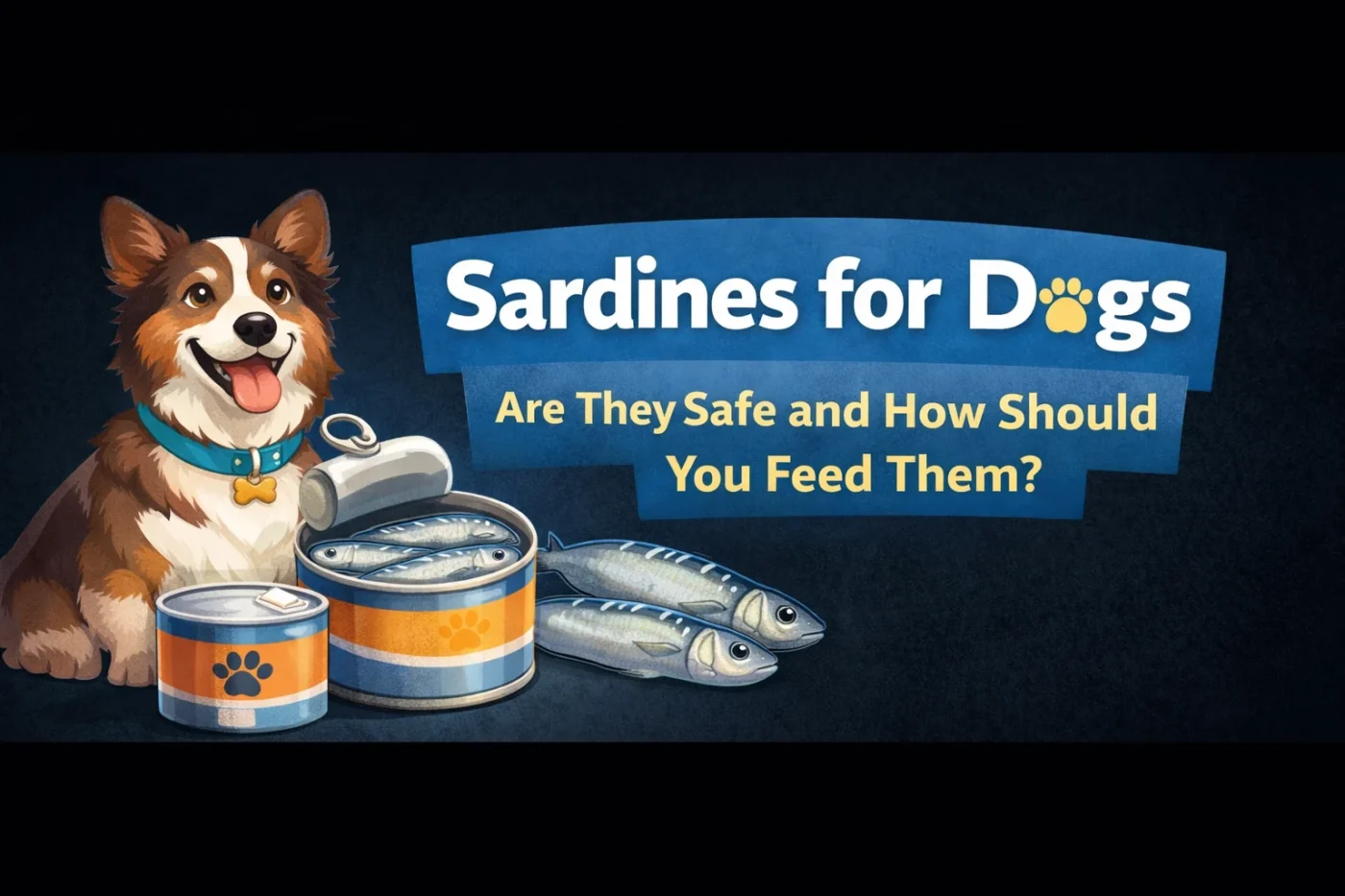

If you’ve ever found yourself standing in the canned goods aisle at the grocery store, holding a tin of sardines and wondering, “Can I actually give these to my dog?” you are definitely not alone. It’s a moment almost every health-conscious dog owner has had.
We hear so much about “superfoods” these days. One minute it’s blueberries, the next it’s bone broth. Suddenly, everyone at the dog park is talking about sardines. But then you go online, and things get confusing fast. Some people say the salt content is dangerous. Others warn about mercury. And then there’s the question of the bones—aren’t we always told never to give cooked bones to dogs?
It’s enough to make you put the can back on the shelf and stick to plain kibble.
But here is the good news: adding fresh foods to your dog’s bowl doesn’t have to be complicated or scary. I’m going to walk you through everything you need to know about feeding sardines to your dog. We’ll cut through the noise and look at this from a practical, common-sense perspective so you can feel confident about what you’re putting in their bowl.
Can Dogs Eat Sardines?
According to the American Kennel Club, The short answer is yes, dogs can absolutely eat sardines. In fact, for most dogs, they are a fantastic addition to their diet.
However, the “yes” comes with a few small but important conditions. Not every tin of sardines is created equal, and how you serve them matters. While sardines are generally safe, nutritious, and highly palatable (meaning dogs go crazy for them), you can’t just toss any old can into their bowl.
We need to make sure we are picking the right kind—specifically ones packed in water with no added salt—and feeding them in amounts that make sense for your specific dog. When you do it right, sardines are one of the safest “human foods” you can share with your pup.
Why Some Dog Owners Feed Sardines
You might be wondering why you should bother with the fishy smell in your kitchen in the first place. I started looking into sardines for dogs years ago when my older Lab started slowing down on walks, and his coat lost a bit of that puppy softness.
Here are the main reasons most of us dog owners reach for the tin opener:
The “Shiny Coat” Effect
This is usually the first thing people notice. After a few weeks of adding a sardine or two to the weekly rotation, many dogs develop a noticeably softer, shinier coat. It’s great for dogs with dry, flaky skin or those that seem to itch constantly when the seasons change.
Joint Support for Seniors
As dogs age, their joints get stiff. It’s heartbreaking to watch them struggle to get up from a nap. The natural oils in sardines act a bit like grease for those rusty hinges, helping to keep inflammation down and mobility up.
The Ultimate Appetite Booster
If you have a picky eater, you know the struggle of buying expensive food only to have your dog turn their nose up at it. Sardines are smelly—in a way dogs love. Using them as a topper can convince even the most stubborn eater that their dinner is worth finishing.
Are Sardines Actually Good for Dogs?
Okay, we know dogs like them, but are sardines good for dogs in a nutritional sense? Absolutely. You don’t need a degree in biochemistry to understand why these little fish are powerhouses.
Omega-3 Fatty Acids
This is the big one. Omega-3s are vital for reducing inflammation in the body. Whether it’s itchy skin, stiff hips, or just general aging, Omega-3s help soothe the system.
A Whole Food Source of Calcium
Remember the worry about bones? In canned sardines, the bones are pressure-cooked until they are incredibly soft. You can mash them with a fork. Because your dog eats the whole fish—bones and all—they get a fantastic, natural boost of calcium which is essential for strong teeth and skeletal health.
High-Quality Protein
Sardines are packed with protein that helps support muscle development. Unlike some treats that are full of fillers or carbohydrates, a sardine is pretty much pure, functional fuel for your dog’s muscles.
CoQ10
This is a nutrient that supports heart health. It’s particularly good for older dogs, as it helps with circulation and heart function.
How to Feed Sardines Safely
Even though sardines are safe, I always recommend introducing any new food slowly. You don’t want to surprise your dog’s stomach with a whole fish dinner if they’ve only ever eaten dry kibble.
The Best Form to Buy
Always look for sardines packed in water. This is non-negotiable for me. We will talk more about oil and sauces in a minute, but “Spring Water” or simply “Water” is what you want to see on the label.
How to Serve Them
You don’t need to get fancy.
- Drain the liquid: You can save a little of the sardine water to pour over their kibble, but drain most of it to reduce sodium.
- Mash it up: While big dogs can gulp a sardine whole, I prefer to mash it with a fork. This mixes the flavor through their food so they don’t just pick out the fish and leave the rest.
- Use as a topper: Plop the mashed sardine right on top of their regular meal.
Temperature Matters
If you opened a can, used half, and put the rest in the fridge, the leftovers will be cold. Some dogs don’t mind, but others prefer it at room temperature. The smell is stronger when it’s not fridge-cold, which makes it more appetizing for them.
Sardines in Water vs Oil vs Sauce
This is where many well-meaning dog owners accidentally go wrong. The grocery store shelf is full of options: sardines in olive oil, soybean oil, tomato sauce, mustard sauce, or hot sauce.
Why Water is Best
Water adds zero calories and zero fat. It keeps the fish moist without altering the nutritional profile. It’s the cleanest option.
Why Oil is Risky
Sardines in oil are incredibly fatty. Sardines are already an oily fish (the good kind of oil), so adding sunflower or olive oil on top is overkill. Too much fat in one sitting can cause digestive upset—think diarrhea or vomiting. In severe cases, high-fat meals can trigger pancreatitis, which is a painful and dangerous inflammation of the pancreas. It’s just not worth the risk.
Why Sauces are a Hard “No”
Tomato sauce, mustard, or “Mediterranean style” flavors often contain hidden ingredients. Onions and garlic are toxic to dogs, and they are frequently used in these sauces. Plus, the salt content in flavored sauces is usually sky-high. Stick to plain fish.
How Many Sardines Can a Dog Eat?
Moderation is everything. Just because something is healthy doesn’t mean your dog should eat a bucket of it. Sardines are rich and calorie-dense.
Here is a realistic guideline I use, assuming you are feeding standard-sized canned sardines (about 3-4 inches long):
Small Dogs (under 20 lbs)
Think Chihuahuas, Yorkies, or Pugs.
- Amount: 1/4 to 1/2 of a single sardine.
- Frequency: Once or twice a week.
- For these little guys, a whole tin is way too many calories and too much rich food.
Medium Dogs (20–50 lbs)
Think Beagles, Cocker Spaniels, or smaller Border Collies.
- Amount: 1/2 to 1 whole sardine.
- Frequency: A few times a week.
- You can cut one fish in half and save the rest for the next day.
Large Dogs (50+ lbs)
Think Labradors, Golden Retrievers, German Shepherds.
- Amount: 1 to 2 sardines.
- Frequency: Two or three times a week.
- Even for my big dogs, I rarely give a whole tin in one sitting. I treat it as a high-value supplement, not a meal replacement.
Note: If you are using the tiny sardines (sprats), you can obviously feed more of them by count, but aim for the same total volume of meat.
Can Puppies Eat Sardines?
Bringing a new puppy home makes you hyper-aware of everything they eat. Can puppies eat sardines? Yes, but you need to be very careful with the amount.
Puppies have sensitive tummies that can be easily upset by rich foods. Their digestive systems are still developing. While the DHA in sardines is amazing for their brain development, too much fish oil can lead to messy accidents on your carpet.
If you want to give your puppy sardines:
- Wait until they are weaned and settled on solid food.
- Start with a tiny piece—literally the size of your fingernail.
- Watch their poop. If it gets loose, hold off for a while.
- Think of it as a tiny vitamin boost, not a snack.
Possible Risks (Without Fear-Mongering)
I want you to feel confident, but I also want you to be informed. Sardines are safe, but there are a few things to keep in mind so you don’t run into trouble.
Sodium Overload
Salt is the biggest concern with canned fish. Even “water-packed” sardines contain some natural sodium. Always look for “No Salt Added” on the label. If you can only find standard water-packed ones, rinse the fish thoroughly under the tap before feeding them to your dog. This washes away a good chunk of the excess salt.
Digestive Upset
As I mentioned, this is a rich food. If your dog has a “cast iron stomach,” they might be fine, but sensitive dogs might get gassy or have loose stools if they eat too much too soon.
Weight Gain
Sardines are calorie-dense. If you start adding them to your dog’s bowl every day without reducing their regular kibble slightly, you might notice your dog getting a little chunky around the waist. It’s all about balance.
Choosing the Best Sardines for Dogs
You are at the store. You are looking at 15 different brands. How do you pick? Here is your checklist.
- Liquid: Water or Spring Water only.
- Salt: Look for “No Salt Added” or “Low Sodium.”
- Flavor: Plain. No smoke flavor, no chili, no lemon.
- Ingredients: The list should be short. Ideally: “Sardines, Water.” That’s it.
- Packaging: If you can find BPA-free cans, that’s a nice bonus for long-term health, though not an absolute emergency if you can’t.
Wild-caught sardines are generally standard (they aren’t typically farmed), which is great because they have fewer pollutants than some farmed fish.
Sardines vs Other Fish (Quick Comparison)
Sardines aren’t the only fish in the sea. How do they stack up against other common options?
Sardines vs. Salmon
Salmon is excellent, but it’s often more expensive. Also, large ocean fish accumulate more heavy metals over their lifespan. Sardines are at the bottom of the food chain, meaning they eat plankton and have very low mercury levels compared to larger fish. They are often “cleaner.”
Sardines vs. Tuna
I generally avoid feeding much tuna to dogs because of mercury concerns. Tuna are large, long-lived predators. Sardines are a much safer daily or weekly option because of their short lifespan and low toxicity.
Sardines vs. Anchovies
These two are very similar! Anchovies are usually smaller. They are both oily, fatty fish packed with Omega-3s. The main issue with anchovies is that they are often cured in massive amounts of salt for human consumption (like the ones on pizza). If you can find fresh or water-packed anchovies, they are just as good as sardines.
Must Read: Are Pig Ears Good for Dogs? A Vet-Reviewed Safety Guide
FAQs
Can dogs eat sardines every day?
Technically they could, but I don’t recommend it. Variety is key to a healthy diet. Feeding them every day might lead to an excess of certain nutrients or just add too many calories. Using them as a treat 2-3 times a week is a sweet spot for most owners.
Are canned sardines okay, or do they need to be fresh?
Canned is perfectly fine and much more convenient! Fresh sardines are great if you can find them, but they are messy to prepare and spoil quickly. Canned sardines retain their nutrients well.
Can dogs eat sardine bones?
Yes. In canned sardines, the bones are cooked soft. They crumble when you touch them. They are safe and provide excellent calcium. (Note: Never feed cooked bones from larger fish, but sardine bones are the exception).
Can dogs eat sardines in tomato sauce if I rinse them?
I wouldn’t risk it. The sauce soaks into the meat. Since tomato sauces often contain onion powder or garlic powder (which are toxic), rinsing might not get it all out. Stick to water-packed.
Final Thoughts
So, can you safely give sardines to your dog? Yes.
Should you? I highly recommend it.
It’s one of the simplest, most affordable ways to boost your dog’s bowl. Whether you are trying to coax a picky eater, soothe itchy skin, or just add some variety to their life, a simple tin of sardines is a powerful tool.
Start slow, keep it plain, and watch how your dog reacts. Chances are, they’ll be doing a happy dance the moment they hear that ring-pull pop.
Disclaimer
I am an experienced dog owner and writer, not a veterinarian. Every dog is different, and what works for one might not work for another. If your dog has specific health conditions like pancreatitis, kidney disease, or severe allergies, please chat with your vet before changing their diet.









1 Comment
Comments are closed.