

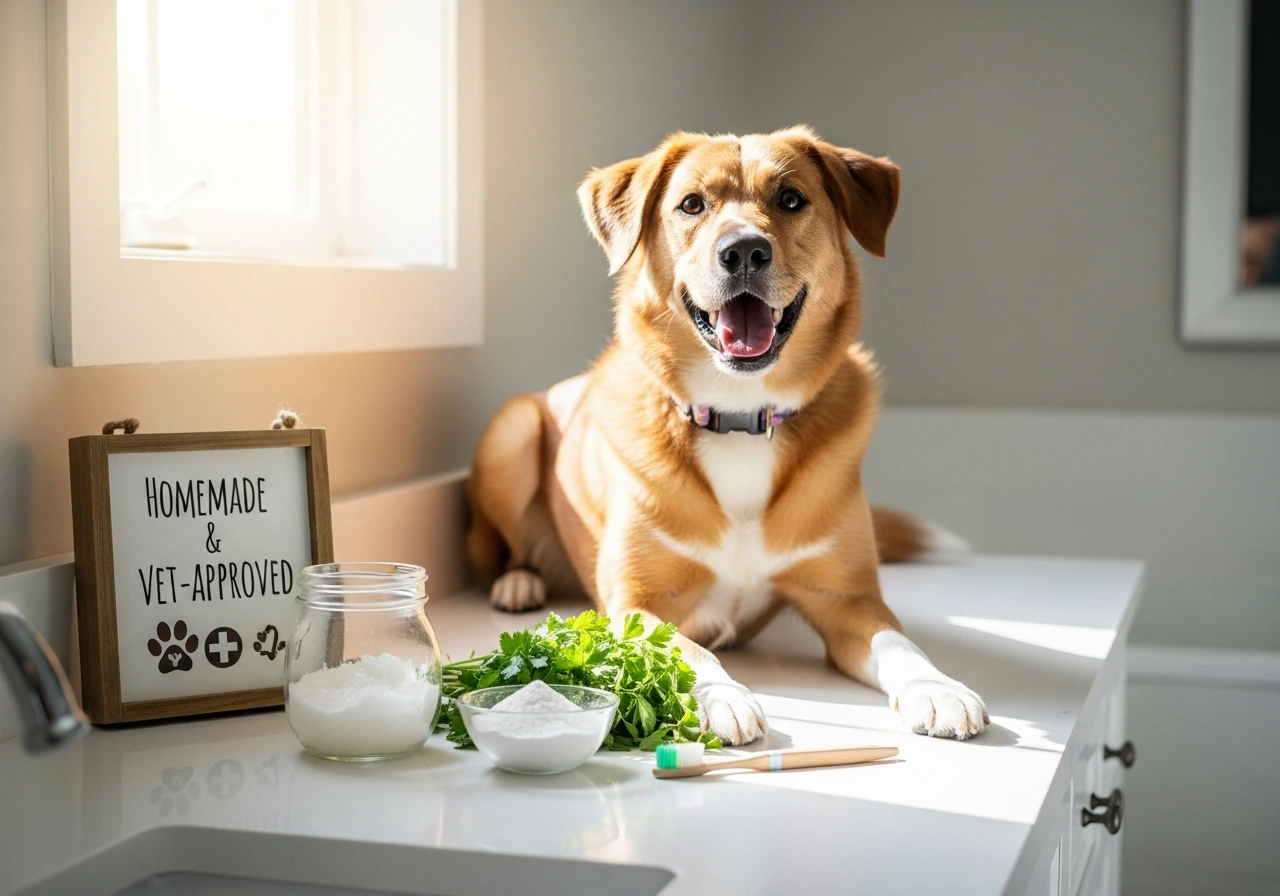

It was a quiet evening on the couch when it happened. My dog, Cooper, let out a big yawn, and the smell hit me. It wasn’t just “dog breath”—it was a powerful, unpleasant odor that made me wrinkle my nose. A quick peek at his teeth revealed what I feared: yellowing plaque building up along his gum line. I knew I had to do something, but the idea of pricey store-bought toothpaste filled with artificial flavors didn’t sit right with me. Could I make a safe and effective dog toothpaste at home?
If this sounds familiar, you’re not alone. According to the American Veterinary Medical Association (AVMA), over 80% of dogs show signs of dental disease by just three years old. This common issue can lead to pain, tooth loss, and even more serious health problems. Many loving pet owners are searching for natural, vet-safe alternatives to commercial products. They want to know what’s in their dog’s toothpaste and feel confident that it’s helping, not harming.
This guide is your complete resource for DIY dog dental care. We’ll share vet-approved homemade toothpaste recipes, explain which ingredients are safe and which are toxic, and provide a step-by-step guide to brushing. You’ll learn how to keep your dog’s mouth healthy and their breath fresh, all with simple ingredients you may already have in your pantry.
Why Is Brushing Your Dog’s Teeth So Important?
Brushing your dog’s teeth is more than just a way to fight bad breath; it’s a cornerstone of their overall health. Just like in humans, bacteria in a dog’s mouth can form a sticky film called plaque. If not removed, this plaque hardens into tartar, a tough, crusty deposit that irritates the gums. This can lead to gingivitis (gum inflammation) and, eventually, periodontal disease. Periodontal disease can cause severe pain, abscesses, and tooth loss. Even worse, bacteria from an infected mouth can enter the bloodstream and damage vital organs like the heart, liver, and kidneys.
Can You Use Human Toothpaste on a Dog?
Absolutely not. Human toothpaste is extremely dangerous for dogs and should never be used. Most human toothpastes contain two key ingredients that are toxic to our canine companions:
- Xylitol: This sugar substitute is incredibly toxic to dogs. Even small amounts can cause a rapid drop in blood sugar, leading to seizures, liver failure, and even death.
- Fluoride: While beneficial for human teeth, high doses of fluoride can cause severe stomach upset and toxicity in dogs.
A safe dog toothpaste is formulated with ingredients that are effective for cleaning but also safe to be swallowed. These often include enzymes that help break down plaque, gentle abrasives that scrub teeth without damaging enamel, and dog-friendly flavors like chicken or beef to make the experience more pleasant. As Dr. Jessica Romine, DVM, notes, “Homemade toothpaste can work if it’s gentle, non-toxic, and used with regular brushing — consistency is key.”
What Ingredients Are Safe for Homemade Dog Toothpaste?
Creating a DIY dog toothpaste is simple, but ingredient safety is paramount. Some natural ingredients offer great cleaning benefits, while others can be harmful.
What are the Safest Ingredients to Use?
Here are a few vet-approved ingredients you can use in your homemade recipes:
- Coconut Oil: This is an excellent base for any DIY toothpaste. It has natural antimicrobial properties that help fight bacteria and a taste most dogs enjoy.
- Baking Soda: A mild abrasive that helps scrub away plaque. It must be used in very small quantities, as too much can upset a dog’s stomach.
- Parsley: A natural breath freshener that can help combat that unpleasant doggy breath.
- Turmeric: Known for its anti-inflammatory properties, a pinch of turmeric can help soothe gums.
- Activated Charcoal: This ingredient can help whiten teeth by binding to surface stains. Use it sparingly and be prepared for a temporary black mess in your dog’s mouth!
- Cinnamon (Ceylon): A tiny amount can add antimicrobial benefits and a pleasant flavor. Be sure to use Ceylon cinnamon, not Cassia, and only in trace amounts.
What Ingredients Should You Always Avoid?
These common household items are toxic to dogs and should never be included in a homemade toothpaste:
- Xylitol: As mentioned, this artificial sweetener is highly toxic.
- Essential Oils: Oils like tea tree, peppermint, and citrus are potent and can be toxic to dogs, even when inhaled or applied to the skin.
- Salt: While a common ingredient in old-fashioned human toothpaste, salt can be harmful to dogs and may cause an electrolyte imbalance if ingested in large amounts.
- Hydrogen Peroxide: This can cause vomiting and irritation to the lining of your dog’s mouth and stomach.
- Fluoride: Found in most human dental products, it’s toxic to dogs.
Safe Ingredients (In Moderation) | Unsafe & Toxic Ingredients |
|---|---|
Coconut Oil | Xylitol |
Baking Soda (small amounts) | Essential Oils (Tea Tree, etc.) |
Parsley | Salt |
Turmeric | Hydrogen Peroxide |
Activated Charcoal | Fluoride |
Natural abrasives like baking soda physically scrub the teeth, while enzymatic cleaners (found in many commercial products) work chemically to break down plaque. Homemade recipes are fantastic for daily maintenance and mild cleaning, but they are not a substitute for a professional veterinary cleaning, especially if your dog already has significant tartar buildup.
How Do You Make Vet-Approved DIY Dog Toothpaste?
Here are three simple, effective recipes you can whip up at home. Remember to mix the ingredients into a paste, store in a sealed glass jar, and refrigerate for up to one week.
⚠️ Warning: Before starting any new routine, always test a small amount of the toothpaste on your dog’s gums to check for any signs of irritation or allergic reaction.
1. Coconut Oil & Baking Soda Paste for Mild Cleaning
- Ingredients: 2 tablespoons of coconut oil, 1 teaspoon of baking soda.
- Instructions: Mix the coconut oil and baking soda until a smooth paste forms. This recipe provides gentle abrasion to help remove light plaque.
2. Parsley & Turmeric Paste for Odor Control
- Ingredients: 2 tablespoons of coconut oil, 1 tablespoon of finely chopped fresh parsley, 1/2 teaspoon of turmeric.
- Instructions: Combine all ingredients in a small bowl and mix thoroughly. The parsley will help freshen breath while the turmeric soothes gums.
3. Coconut Oil & Activated Charcoal Paste for Whitening
- Ingredients: 2 tablespoons of coconut oil, 1/2 teaspoon of activated charcoal powder.
- Instructions: Stir the activated charcoal into the coconut oil until it’s fully incorporated. Use this paste once or twice a week to help lift surface stains. Be warned: it’s messy!
💡 Tip: If your dog is new to brushing, a silicone finger brush can be a great starting tool. It’s less intimidating than a traditional toothbrush and gives you more control.
Don’t Have Time for DIY? Top Vet-Approved Toothpastes
While homemade toothpaste is a great option, sometimes life gets in the way. Commercially available, vet-approved products are formulated by experts, clinically tested for effectiveness, and designed for maximum safety and convenience. When we evaluate dental products, we look for vet approval (especially the VOHC seal), ingredient safety, flavor acceptance by dogs, and proven plaque-fighting power.
Transparency Note: The links below are affiliate links. If you make a purchase, we may earn a small commission that helps support TailWaves’ research at no extra cost to you.
Our Top Recommendations for Commercial Dog Toothpaste
1. Vet’s Best Enzymatic Dog Toothpaste & Toothbrush Set

This kit is a favorite among veterinarians and pet owners. Its enzymatic formula uses natural ingredients like aloe, neem oil, and grapefruit seed extract to gently clean teeth and freshen breath.
- Pros: Contains a powerful blend of enzymes that actively fight plaque, has a dog-friendly flavor, and comes with a triple-headed toothbrush for efficient cleaning.
- Cons: It is more expensive than a DIY solution, but its clinical backing provides peace of mind.
2. TropiClean Fresh Breath Clean Teeth Gel

For dogs (or owners) who resist brushing, this gel is a game-changer. You simply apply a few drops to your dog’s teeth, and their own licking action helps spread the gel to clean their entire mouth.
- Pros: No brushing required, making it incredibly easy to use. The natural ingredients help break down plaque and tartar effectively.
- Cons: While convenient, it may be less effective at removing heavy tartar compared to manual brushing.
3. Arm & Hammer for Pets Tartar Control Dental Kit

From a brand trusted in human dental care, this kit leverages the gentle power of baking soda to clean and whiten teeth. It’s an affordable and effective option for routine dental maintenance.
- Pros: Very budget-friendly, uses baking soda to naturally deodorize breath and gently remove plaque.
- Cons: Some dogs are not fond of the minty flavor, which can make brushing a challenge.
Which Dental Product is Right for Your Dog?
Here’s a quick comparison to help you decide.
Product | Type | Safe Ingredients | Ease of Use | Price |
|---|---|---|---|---|
Enzymatic Paste | ✅ | High | $$ | |
No-Brush Gel | ✅ | Very High | $$ | |
Baking Soda Paste | ✅ | Medium | $ |
Verdict: DIY toothpaste is an affordable and safe choice for daily maintenance, especially if you want full control over ingredients. However, for superior plaque and tartar prevention backed by clinical research, an enzymatic, vet-approved product like Vet’s Best is the gold standard for long-term dental health.
How Can You Make Brushing a Positive Experience?
Success in doggy dental care depends on consistency and a positive approach. Aim to brush your dog’s teeth at least 2-3 times per week, though daily is ideal.
- Start Slow: Don’t just stick a toothbrush in your dog’s mouth. Begin by letting them lick some toothpaste off your finger. Then, gently rub the toothpaste on their gums with your finger.
- Introduce the Brush: Once they are comfortable, introduce a dog toothbrush or finger brush. Use gentle, circular motions on the outside surfaces of the teeth.
- Keep it Positive: Brush for just a minute or two, and always end the session with praise, a favorite toy, or a dental chew. This creates a positive association.
- Replace Your Brush: Just like your own, your dog’s toothbrush should be replaced every 3 months to prevent bacteria buildup.
🦴 Vet Note: If you notice heavy tartar, bright red or bleeding gums, or a broken tooth, do not attempt DIY care. Your dog needs a professional veterinary dental cleaning first. Home care is for prevention, not for treating existing disease.
⚠️ Warning: A reminder that essential oils are highly toxic to dogs. Never use products containing tea tree oil, peppermint oil, or other essential oils in your dog’s mouth, as they can cause serious health issues even in small doses.
Frequently Asked Questions
Can I use baking soda daily for my dog’s teeth?
It’s best to use baking soda sparingly—no more than a few times a week. While effective, its alkaline nature can disrupt the natural pH in your dog’s stomach if ingested in large quantities daily.
Is coconut oil safe for dogs to swallow?
Yes, in small amounts, coconut oil is safe for dogs to ingest. It can even support skin and coat health. However, it is high in calories, so use the amount recommended in the toothpaste recipe (around 1-2 teaspoons per session) to avoid weight gain.
How often should I brush my dog’s teeth?
Veterinarians recommend brushing daily for the best results. If that’s not possible, aim for a minimum of 2-3 times per week to effectively prevent plaque buildup.
Can I use human toothpaste for my dog?
No, never. Human toothpaste contains ingredients like xylitol and fluoride that are toxic to dogs. Always use a toothpaste specifically formulated for canines or a safe homemade alternative.
How long does homemade dog toothpaste last?
Because it contains no preservatives, homemade dog toothpaste should be stored in an airtight container in the refrigerator and used within one week.
What’s the best toothbrush for small dogs?
For small dogs, a finger brush or a small-headed, extra-soft bristled toothbrush works best. These tools allow you to reach tight spaces without causing discomfort.
A Healthier Smile Starts Today
Taking control of your dog’s dental health is one of the most impactful things you can do for their long-term well-being. Homemade dog toothpaste, when made with safe ingredients and used consistently, is a wonderful and affordable way to maintain clean teeth and fresh breath. It complements a routine that should also include regular vet check-ups and professional cleanings when necessary.
By pairing a safe brushing routine with the right tools, you can prevent painful dental disease and keep your furry friend’s smile bright for years to come.
For supplement-based dental care, see our Plaque Off vs Petlab Co guide. It compares effectiveness for tartar and breath control.

1 Comment
Comments are closed.