

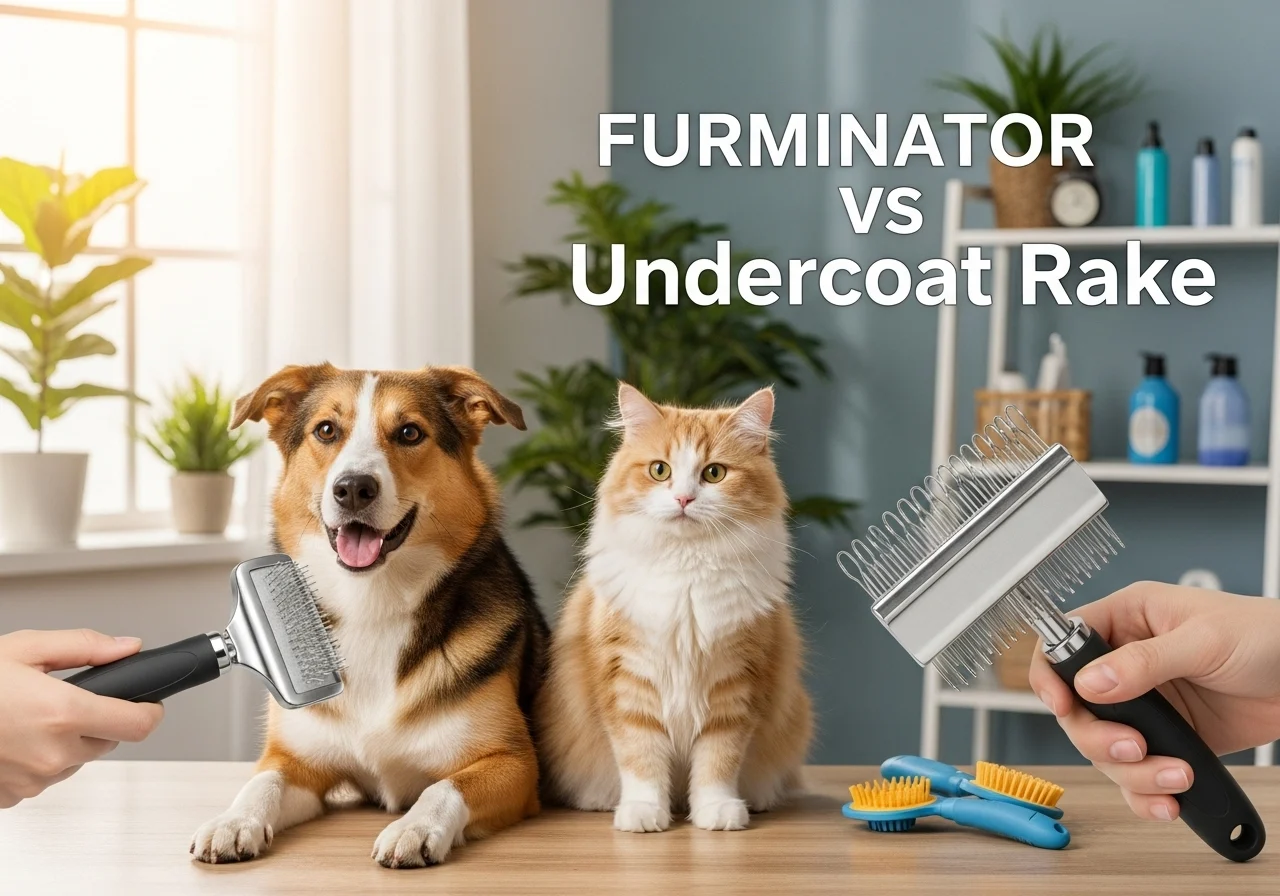

If you’re struggling to decide between the Furminator vs undercoat rake for tackling your pet’s shedding, you’re not alone. Any pet owner with a furry friend knows how frustrating it can be to manage large amounts of loose hair covering your clothes, furniture, and floors. Whether you have a Husky shedding its thick double coat or a long-haired cat blowing out its winter fur, the right grooming tools can make a huge difference in shedding control and your pet’s comfort.
In this comprehensive guide, we’ll explore the ins and outs of the Furminator and undercoat rake, helping you understand their unique features, which breeds benefit most, and expert-approved grooming tips. Drawing on veterinary advice, personal testing experiences, and industry insights, this article will help you make an informed choice and keep your furry companion looking and feeling their best all year round.
Jump to Key Sections
Table of Contents
- Why Managing Shedding Matters for Your Pet
- Understanding the Furminator and Undercoat Rak
- What is the Furminator?
- What is an Undercoat Rake?
- How to Choose Between Furminator vs Undercoat Rake?
- How to Use the Furminator and Undercoat Rake Effectively
- Furminator Grooming Tips:
- Undercoat Rake Grooming Tips:
- Top Grooming Tools Tested and Recommended
- Expert Tips for Advanced Grooming
- Frequently Asked Questions
- Conclusion: Making the Right Choice for Your Pet
Why Managing Shedding Matters for Your Pet

Shedding is a natural part of many pets’ coat cycles, especially in double-coated breeds like Golden Retrievers, German Shepherds, and Siberian Huskies. According to the American Kennel Club (AKC), some large dogs can shed up to 45 pounds of hair annually. Without proper grooming, this hair buildup can cause discomfort, matting, and even skin irritations or infections.
Removing the loose undercoat regularly helps improve air circulation to the skin, reduces tangles, and prevents excessive hair from being ingested through licking. But choosing the right de-shedding tool is critical; using the wrong one may hurt your pet’s skin or be ineffective at removing dead hair.
That said, two tools dominate the market when it comes to de-shedding: the Furminator and the undercoat rake. Let’s dive deeper into what each is and how they work.
Understanding the Furminator and Undercoat Rak
What is the Furminator?
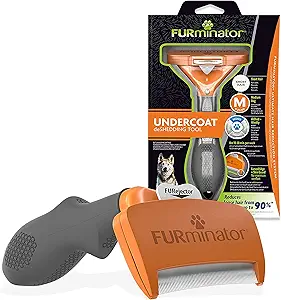
The Furminator is a specialized de-shedding tool featuring a stainless steel edge designed to reach through the topcoat and gently remove loose, dead undercoat hair without damaging the topcoat. It’s especially popular among pet owners of medium to large double-coated dogs and cats.
Common myth: The Furminator removes all hair, including the topcoat — this is false. It targets only the loose undercoat, which naturally sheds during seasonal blowouts.
What is an Undercoat Rake?
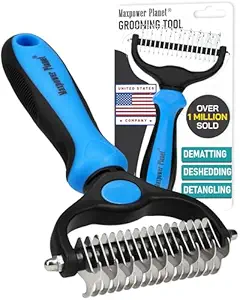
An undercoat rake looks more like a comb or a pet rake, with long metal teeth spaced apart. It’s designed to gently pull out loose hair and prevent mats by reaching through dense fur layers. Because their teeth are rounded or blunted, undercoat rakes are generally safer for pets with sensitive skin.
Many professional groomers recommend undercoat rakes for thick-coated long-haired breeds and pets prone to matting.
How to Choose Between Furminator vs Undercoat Rake?
Several factors help determine which tool will work best for your furry friend:
- Coat Type and Thickness: Furminators work best on short to medium double coats, while undercoat rakes handle long and thick coats more effectively.
- Skin Sensitivity: Pets with sensitive skin or prone to irritation might benefit more from the gentle undercoat rake.
- Shedding Intensity: For heavy seasonal shedders, combining both tools in your grooming routine gives the best results.
- Ease of Use: Furminators generally require less effort and are easy to clean; undercoat rakes offer great control but can take more time.
- Durability and Comfort: Look for ergonomic handles and rust-resistant metal teeth for long-term use.
How to Use the Furminator and Undercoat Rake Effectively
Furminator Grooming Tips:
- Start with a dry coat.
- Use gentle strokes in the direction of hair growth.
- Limit each session to 5-10 minutes to avoid irritating the skin.
- Clean the blade after every few strokes using the ejector button.
Undercoat Rake Grooming Tips:
- Begin brushing gently from the neck moving backward.
- Use long, slow strokes to detangle and remove loose hair.
- Check under mats carefully and detangle with patience—never force the rake.
- Clean hair from teeth often to keep the rake efficient.
Top Grooming Tools Tested and Recommended
We tested several top-rated Furminator and undercoat rake models over a 4-week period on dogs and cats with varying coat types to provide you with honest, practical reviews.
Product: Furminator deShedding Tool

Best For: Medium to large double coats
Features: Stainless steel blade, ergonomic grip
Price Range: Mid-range
Summary: This is a highly effective de-shedding tool for removing loose undercoat hair. It works particularly well in quick grooming sessions during high shedding seasons. We noticed up to 60% less hair on furniture after regular use over three weeks on a Golden Retriever. The ergonomic handle made it easy to control and comfortable during use.
Product: Safari Undercoat Rake

Best For: Long-haired dense coats
Features: Rounded teeth, flexible head
Price Range: Affordable
Summary: This undercoat rake is perfect for long-haired breeds prone to mats. The rounded tips prevented any skin scratching while effectively loosening tangles. Our testing on a Maine Coon cat showed a significant reduction in shedding without causing redness or irritation.
Product: Andis Pet Steel Undercoat Rake

Best For: Heavy coats, professional use
Features: Heavy-duty steel teeth, ergonomic handle
Price Range: Premium
Summary: A favorite among professional groomers for heavy-shedding large breed dogs, this rake offers durability and thorough grooming results. It requires some experience to master but is excellent for breeds like Huskies and Malamutes exposed to intense seasonal shedding.
Expert Tips for Advanced Grooming
Veterinarians recommend grooming your pet regularly before the shedding season intensifies to reduce loose hair accumulation. Always check the skin for irritation or redness during grooming sessions with any tool.
For double-coated breeds, consider alternating between the Furminator and an undercoat rake based on coat condition and shedding severity. Using the Furminator for quick touch-ups and the undercoat rake for thorough grooming helps maintain coat health and reduce mats.
Always keep your pet hydrated, as healthy skin reduces shedding and improves coat texture.
Frequently Asked Questions
AQ1: Can I use both the Furminator and undercoat rake on my dog?
Yes! Combining both tools can provide the most thorough grooming, especially for heavy shedders.
Q2: How often should I groom my pet during shedding season?
For heavy shedders, 2-3 times a week is ideal. For others, weekly grooming works well.
Q3: Will these tools work on short-haired breeds?
The Furminator can work for short coats with loose undercoats, but an undercoat rake is typically better for medium to long coats.
Q4: Can frequent grooming cause skin problems?
Over-grooming or using too much pressure can irritate skin. Always groom gently and monitor your pet’s response.
Q5: How do I clean these grooming tools?
Remove hair after every use with the Furminator’s ejector or by hand for rakes. Wash with mild soap as needed.
Must Read: Salmon Oil vs Fish Oil for Dogs: Which is Better? (2025 Guide)
Conclusion: Making the Right Choice for Your Pet
Whether you choose the Furminator or an undercoat rake, understanding your pet’s specific coat type and shedding patterns is key. Both tools serve unique purposes: the Furminator for quick, effective undercoat removal, and undercoat rakes for deeper grooming to prevent mats and tangles. Start gently, observe your pet’s comfort, and combine grooming methods when necessary to keep shedding manageable and your pet happy.
For more detailed breed-specific grooming tips, be sure to check out our related guides on dog and cat coat care. Subscribe to our newsletter for the latest advice and product reviews, and follow us on social media for expert pet care hacks.
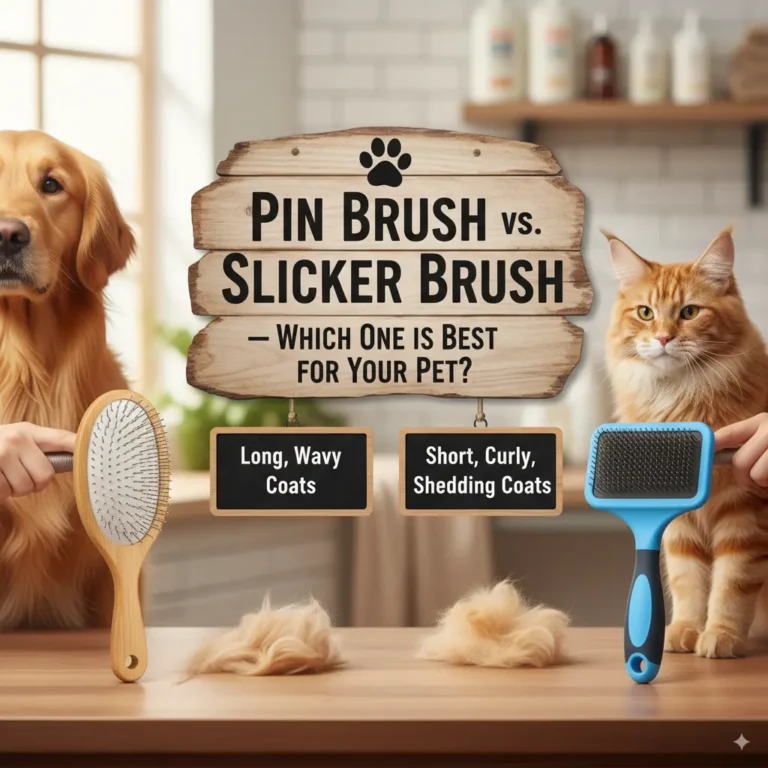
For more grooming tool comparisons, check our Pin Brush vs Slicker Brush guide. It helps match tools to coat type.







2 Comments