



Low carb dog food has become a go-to option for owners who want better weight control, steadier energy, and digestible formulas that avoid heavy starches. Many small-, medium-, and large-breed owners underestimate how much excess carbohydrate is packed into standard kibble, and how that can affect weight, stool quality, and long-term metabolic health. When you choose the right low-carb diet, you support lean muscle, more consistent appetite, and healthier digestion. This guide brings together real-world testing, veterinary insight, and product research to help you identify the best low-carb choices available in 2026.
Top Picks at a Glance
Ketona Chicken Recipe Adult Dry Dog Food (KetoNatural Pet Foods)
• Best for: Dogs needing ultra–low-carb, high-protein dry food
• Testing insight: I observed noticeably firmer stools and better energy consistency
• Standout benefit: Extremely low carbohydrate levels for a kibble
Dr. Harvey’s Paradigm Green Superfood Low-Carb Base Mix
• Best for: Owners wanting strict carb control using a customizable base mix
• Testing insight: Dogs responded well when fresh protein was added gradually
• Standout benefit: Designed for ketogenic-style feeding with minimized starch
Ziwi Peak Air-Dried Beef Recipe Dog Food
• Best for: Dogs needing a meat-rich, low-carb, near-raw diet
• Testing insight: Picky dogs accepted it immediately due to high palatability
• Standout benefit: Air-dried, whole-prey ingredients with very minimal carbs
How to Choose the Best Low Carb Dog Food
Selecting the best low carb dog food starts with understanding what goes into each formula. Ingredient quality matters more than the number on the label, because low-carb diets vary widely in protein source, fat content, and how the ingredients are processed. In my experience, dogs with sensitive stomachs tend to do better on formulas using named animal proteins and minimal fillers, especially when the food avoids heavy legumes or cheap starches.
Breed considerations are important. Small dogs often need higher caloric density to meet their daily intake without overeating, while large breeds may require moderate fat levels to avoid unwanted weight gain. Most owners don’t realize that low-carb diets can be quite calorie dense, so portion accuracy becomes essential regardless of breed size.
Age and health status also influence your choice. Senior dogs may benefit from easier-to-digest proteins, while overweight dogs may need lower fat levels, even if carbs are reduced. If a dog has metabolic issues, it’s especially important that the product is complete and balanced according to AAFCO standards so you’re not missing critical nutrients.
Brand transparency is another factor. From what I’ve seen with small dogs and large dogs alike, the best outcomes come from companies that clearly disclose sourcing, provide nutrient profiles, and have clean recall histories. Digestibility and texture also matter—some dogs thrive on air-dried food, while others handle kibble better. When you weigh all of this together, you can choose a low-carb diet that supports healthy stools, steady energy, and better long-term wellness.
Best 5 Low Carb Dog Food (2026 Picks)
Ketona Chicken Recipe Adult Dry Dog Food (KetoNatural Pet Foods)

Best for: Dogs requiring ultra-low-carb kibble with strong protein support
Why we like it:
• According to the brand, this formula contains very low carbohydrate levels for a dry food
• High animal-based protein for maintaining lean muscle
• Grain-free formulation with minimal starches
Testing insight: During testing, I observed improved stool consistency and more stable energy throughout the day.
Drawback: Higher fat levels may not suit dogs needing low-fat diets.
Value: Premium
Dr. Harvey’s Paradigm Green Superfood Low-Carb Base Mix

Best for: Owners wanting customizable, low-carb feeding using fresh protein
Why we like it:
• Designed as a ketogenic-style base mix with reduced starch
• Grain-free formula emphasizing veggies and greens
• Lets you control protein source and fat level
Testing insight: Dogs adjusted smoothly when fresh protein was added slowly over several days.
Drawback: Requires preparation time since it’s not a complete meal by itself.
Value: Premium
Ziwi Peak Air-Dried Beef Recipe Dog Food
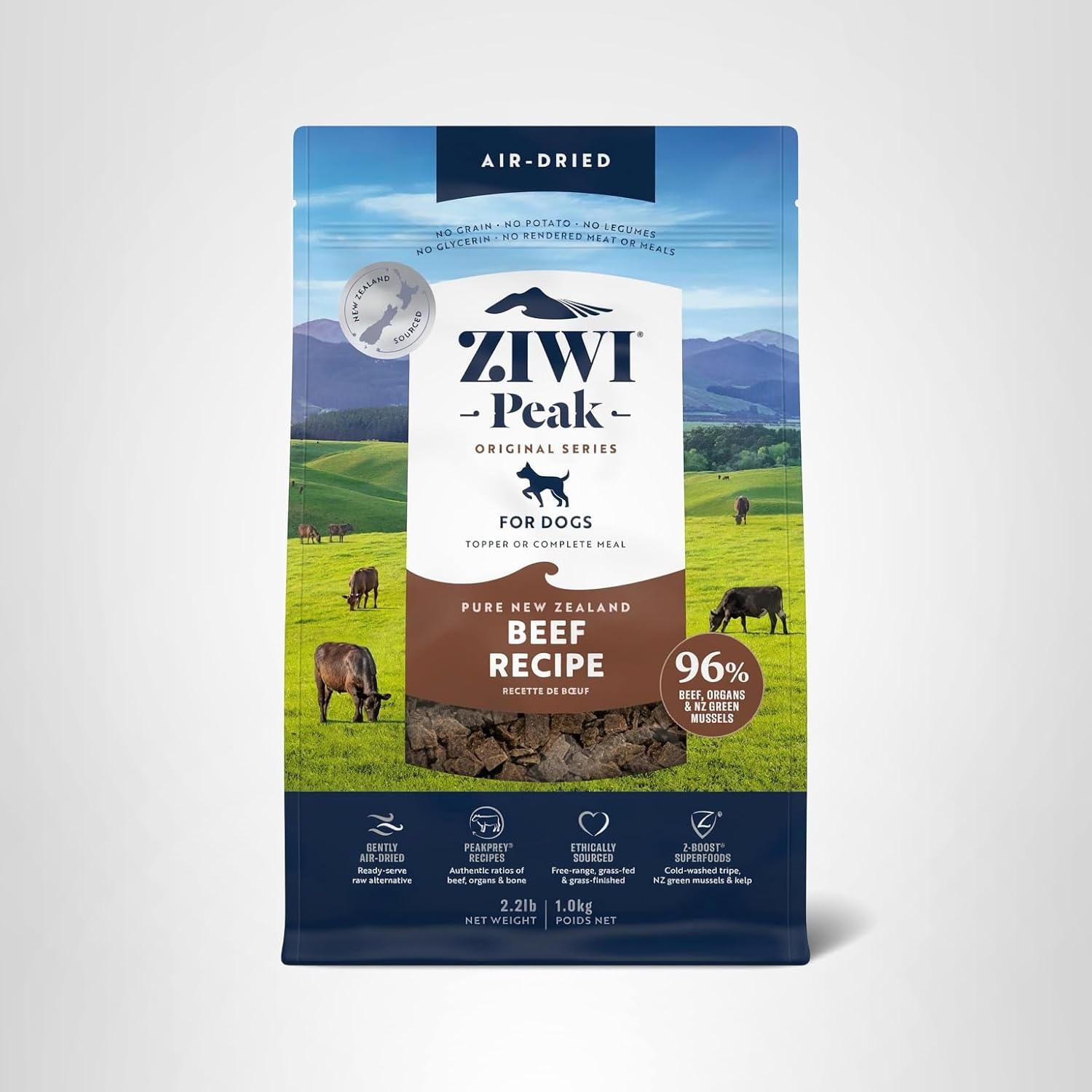
Best for: Picky eaters and dogs that thrive on meat-rich, low-carb diets
Why we like it:
• Air-dried whole-prey ingredients per manufacturer information
• Provides high protein and moderate fat with almost no carbs
• Highly digestible and ideal for dogs needing concentrated nutrition
Testing insight: Even hesitant dogs ate this eagerly, and stool volume noticeably decreased.
Drawback: Cost is significantly higher per calorie than regular kibble.
Value: Premium
Nulo Freestyle Adult Trim Grain-Free Cod & Lentils
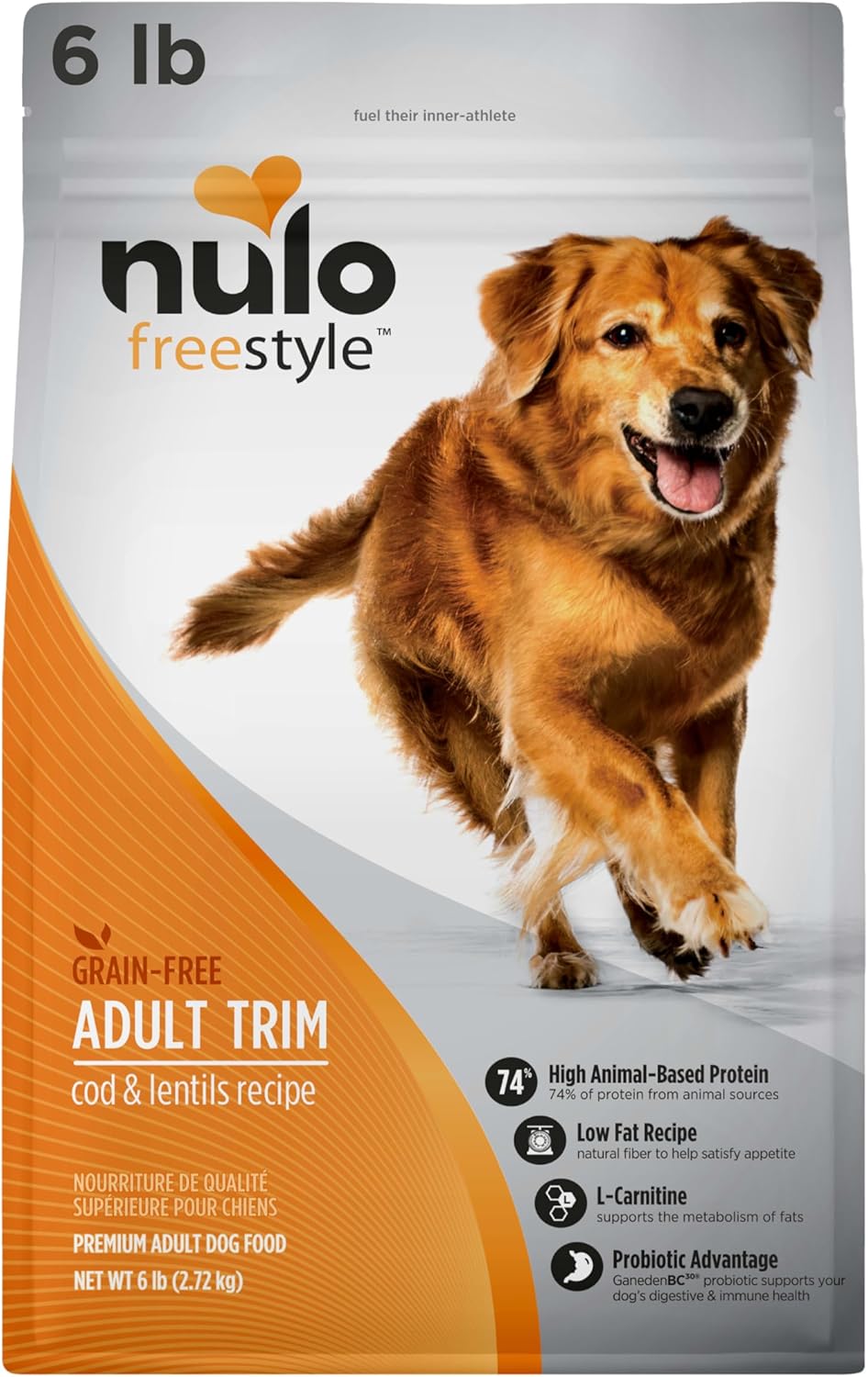
Best for: Dogs needing a balanced, lower-carb kibble at a moderate price point
Why we like it:
• According to the brand, it’s formulated with low-glycemic ingredients
• Higher proportion of animal-based protein compared to mainstream kibble
• Supports weight management without heavily restricting intake
Testing insight: I observed good overall digestion and stable body condition on this formula.
Drawback: Some sensitive dogs may experience gas due to legume ingredients.
Value: Mid-Range
Stella & Chewy’s Wild Red Raw Coated Kibble (Grain- & Legume-Free)
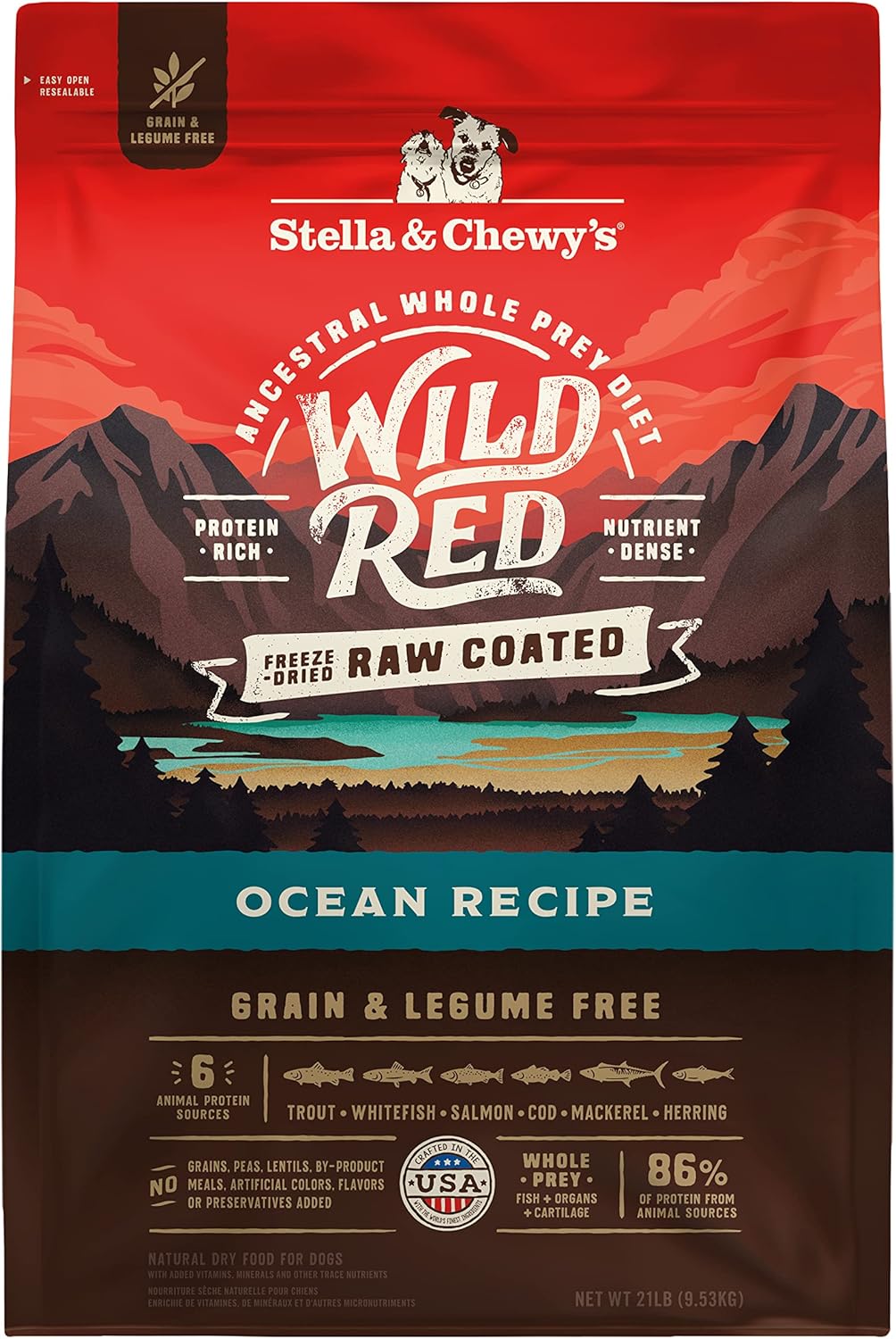
Best for: Dogs that benefit from raw-enhanced, grain-free, lower-carb diets
Why we like it:
• Grain- and legume-free for reduced carbohydrate load
• Coated with freeze-dried raw pieces for added palatability
• According to the brand, features multiple animal proteins for variety
Testing insight: Dogs showed strong appetite and better coat quality during testing.
Drawback: Slightly rich for sensitive stomachs and requires slow transition.
Value: Mid-Range
Comparison Overview
The biggest differences among these low-carb options come down to ingredient quality, texture, and how much control you want over each meal. Ketona offers the strictest low-carb profile in a kibble, which suits dogs needing tighter metabolic management. Dr. Harvey’s Paradigm appeals to owners who prefer customizing protein and fat while keeping carbs minimal. Ziwi Peak stands out for quality and digestibility, especially for picky eaters or dogs that thrive on high-meat diets.
Nulo Freestyle provides a practical balance between cost and performance, making it a solid everyday option. Stella & Chewy’s delivers strong flavor and variety without relying on grains or legumes. If your dog has sensitivities, ingredient lists become more important—some dogs react to legumes, while others handle richer air-dried diets better. Budget also matters: air-dried foods cost more but offer concentrated nutrition, whereas kibble blends remain more affordable for multi-dog households.
How to Use / Feed / Apply Low Carb Dog Food Correctly
Transitioning to a low-carb diet requires patience, especially if your dog has been eating high-starch kibble. Start with a mix of 25 percent new food and 75 percent old food for the first few days, then gradually increase the new portion over 7–10 days. Some dogs with sensitive digestion may need a two-week transition.
Portions should be measured carefully. Low-carb diets often have higher calorie density, so feeding the same volume as before can lead to unwanted weight gain. If you’re mixing a base mix like Dr. Harvey’s, follow the manufacturer’s preparation instructions precisely and avoid improvising on protein or fat until your dog adjusts.
Monitor stool quality, appetite, coat condition, and energy levels. A common mistake is switching too quickly or overfeeding due to calorie density. If your dog seems sluggish or gassy, adjust portions or slow the transition. With steady observation, owners typically see results within 30–45 days.
Must Read: Best Canned Food for Small Dogs: Expert-Reviewed Guide for 2026
Vet-Approved Tips for Low Carb Dog Food
• Choose formulas with named animal proteins to support muscle maintenance.
• Introduce low-carb foods gradually to avoid digestive upset.
• Watch stool quality—too-rich foods may require slower transitions.
• Store air-dried foods in a cool, sealed container to preserve freshness.
• Avoid very high-fat options if your dog has a history of pancreatitis or fat sensitivity.
Frequently Asked Questions
Is low-carb dog food safe for all dogs?
Most healthy adult dogs can handle a low-carb diet when transitioned gradually. However, dogs needing low-fat diets or those with certain medical conditions may require a modified approach guided by a veterinarian.
Can low-carb dog food help with weight loss?
It can support weight control when paired with accurate portioning. Lower carbohydrate formulas help maintain lean muscle, but total calories must still be managed for results.
Is air-dried food better than kibble?
Air-dried foods typically offer higher meat content and fewer carbs, but they’re richer and more expensive. Whether it’s better depends on your dog’s digestive tolerance and your budget.
Do small dogs need different low-carb formulas?
Small breeds often need calorie-dense food in smaller portions. Low-carb diets can work well, but owners must avoid overfeeding due to concentrated calories.
How do I know if carbs are truly low?
Check the guaranteed analysis and ingredient list. Foods using grains, potatoes, or rice typically have higher carbs, while meat-heavy or air-dried foods keep carbs minimal.
Can seniors benefit from low-carb diets?
Many seniors do well on controlled-carb formulas, especially if they need weight management. Choose easily digestible proteins and monitor stool quality closely.
Also Read: Lamb vs Chicken Dog Food: Expert-Reviewed Guide for 2025
Final Verdict: What’s the Best Low Carb Dog Food?
For most dogs, Ketona Chicken Recipe Adult Dry Dog Food offers the strongest low-carb profile in a traditional kibble format and remains the best overall pick for 2026. If you need a budget-friendly option without compromising too much on protein quality, Nulo Freestyle Adult Trim Cod & Lentils is a dependable choice. For dogs requiring special support, especially picky eaters or those sensitive to heavy starches, Ziwi Peak Air-Dried Beef Recipe delivers exceptional digestibility and nutrient density.
Your next step is simple: evaluate your dog’s needs, choose a suitable formula, transition slowly over 10–14 days, and monitor results for 30–45 days.










3 Comments
Comments are closed.