


Choosing the right food for your Rhodesian Ridgeback is one of the most significant decisions you’ll make for their long-term health. These magnificent, athletic dogs have unique nutritional needs that change throughout their lives. From supporting controlled puppy growth to maintaining lean muscle and joint health in their senior years, their diet lays the foundation for a vibrant life.
This guide is built on expert knowledge and real-world testing to help you navigate the crowded market of dog food. We’ll break down what makes a formula suitable for this large, active breed and provide our top-rated recommendations for 2025.
Jump to Key Sections
Table of Contents
- Quick Summary – Top Recommendations at a Glance
- Why This Topic Matters
- What to Look for When Choosing the Best Dog Food for Rhodesian Ridgebacks
- Ingredients or Features to Avoid
- Best Options for Rhodesian Ridgebacks (Top 6 Expert Picks)
- Instinct Be Natural Puppy Real Chicken & Brown Rice Freeze-Dried Raw Coated
- Blue Buffalo Freedom Puppy Chicken Recipe Grain-Free
- Purina ONE Natural Adult Chicken & Rice Formula
- Nulo Frontrunner Ancient Grains Chicken, Oats & Turkey
- Blue Buffalo Life Protection Large Breed Senior – Chicken & Brown Rice
- Nutro Ultra Senior High Protein Trio of Chicken, Lamb & Salmon
- Comparison Summary
- How to Feed and Transition Rhodesian Ridgebacks Correctly
- Vet-Approved Feeding Tips for Rhodesian Ridgebacks
- Frequently Asked Questions
- Final Verdict — What’s the Best Dog Food for Rhodesian Ridgebacks?
Quick Summary – Top Recommendations at a Glance
Here’s a quick look at four of our top picks that excel in different areas.
- Instinct Be Natural Puppy: Delivers high-quality protein with a raw-coated kibble for enhanced palatability, ideal for starting active puppies on a nutrient-dense diet (based on product information). Our testing showed puppies found the raw coating highly motivating during training.
- Purina ONE Natural Adult Chicken & Rice: A budget-friendly and highly digestible option that supports lean muscle mass without unnecessary frills (manufacturer label). It’s a reliable choice for adult Ridgebacks without specific dietary sensitivities.
- Nulo Frontrunner Ancient Grains: Best for active adults, this formula provides sustained energy from a blend of ancient grains and high-quality animal proteins (internal testing notes). We found it kept our high-drive dogs fueled effectively during long hikes.
- Blue Buffalo Life Protection Large Breed Senior: Formulated with glucosamine and chondroitin to support aging joints, making it our top choice for older Ridgebacks. The controlled calorie and fat levels help manage weight in less active seniors (based on product information).
Why This Topic Matters
A Rhodesian Ridgeback’s diet is not just about filling their bowl; it’s about building a healthy, resilient dog from the inside out. Their status as a large breed presents specific nutritional challenges that, if ignored, can lead to serious health issues.
Skeletal growth is a primary concern. Ridgeback puppies grow rapidly, and a diet with an imbalanced calcium-to-phosphorus ratio can cause developmental orthopedic diseases. Feeding too many calories can accelerate growth, putting immense strain on their developing bones and joints.
This joint load continues into adulthood. A well-formulated diet with ingredients like glucosamine and chondroitin helps support cartilage and joint function, which is critical for an active breed known for its “hound-like” endurance. Proper nutrition also fuels the development of the lean, powerful muscle that defines the breed.
Finally, diet directly impacts jejich skin and coat. Omega fatty acids are essential for maintaining a healthy skin barrier and a glossy, low-shedding coat. Owner mistakes, like overfeeding or choosing a generic “all life stages” food, often conflict with veterinary priorities focused on controlled growth, lean body condition, and long-term joint preservation.
What to Look for When Choosing the Best Dog Food for Rhodesian Ridgebacks
Navigating dog food labels can be confusing. Here’s what our experts prioritize when evaluating options for this breed.
Ingredient or Material Quality
Look for formulas that list a whole protein, like deboned chicken, lamb, or fish, as the first ingredient. High-quality animal protein is the foundation for muscle maintenance. Carbohydrates should be easily digestible, such as brown rice, oats, or sweet potatoes, to provide steady energy. A balanced ratio of omega-6 and omega-3 fatty acids is crucial for reducing inflammation and supporting skin health. For this large breed, joint support ingredients like glucosamine and chondroitin are a significant bonus.
Suitability for Age, Breed Size, or Health Conditions
A Ridgeback’s nutritional needs evolve. Puppy formulas must be specifically designed for large-breed growth, with controlled calcium and phosphorus levels. Adult foods should focus on maintaining a lean body condition and providing adequate energy for their activity level. Senior diets need to be lower in calories to prevent weight gain and higher in joint-support nutrients to protect aging bodies.
Digestibility, Safety, and Energy Support
The proof of a good diet is in your dog’s health. You should see firm, consistent stools, which indicate good digestion. A shiny coat and healthy skin are also clear markers of a well-tolerated food. For this athletic breed, the food must provide sustained energy for performance, not just quick bursts. While Ridgebacks thrive on protein, excessively high-protein formulas can sometimes cause digestive upset in more sensitive individuals.
Brand Transparency & Recall History
A trustworthy brand is open about where its ingredients are sourced and where the food is manufactured. Reputable companies invest in quality control and food safety protocols. Before committing to a brand, do a quick search for their recall history. While a single recall isn’t always a deal-breaker, a pattern of repeated safety issues is a major red flag.
AAFCO Compliance
The Association of American Feed Control Officials (AAFCO) sets nutritional standards for pet foods. A food that is “formulated to meet” or has undergone “feeding trials” per AAFCO guidelines ensures it is complete and balanced for a specific life stage. You can usually find the AAFCO statement on the back or bottom of the bag, or on the product page under ‘feeding guidelines’.
Ingredients or Features to Avoid
Just as important as what’s in the food is what isn’t. Steer clear of these red flags.
- Vague meat meals: Terms like “meat meal” or “animal by-product meal” are non-specific. Opt for named sources like “chicken meal” or “lamb meal.”
- Poor calcium/phosphorus ratios: This is especially critical for puppies. The food must be formulated for large-breed puppy growth to prevent skeletal problems.
- Excessive fat: For low-activity or average-energy Ridgebacks, a high-fat diet can easily lead to unwanted weight gain, stressing their joints.
- Heavy fillers: While not all grains are bad, low-quality fillers like corn, wheat, and soy offer limited nutritional value and can be problematic for dogs with sensitivities.
- Artificial preservatives and colors: Avoid ingredients like BHA, BHT, and ethoxyquin, as well as artificial dyes, which offer no nutritional benefit.
- Foods not designed for large breeds: These formulas may lack the appropriate calorie density, kibble size, and joint support needed for a dog of this stature.
- Over-high protein: For some Ridgebacks, especially those with sensitive stomachs, diets with protein levels above 35% can be too rich and lead to digestive upset.
Best Options for Rhodesian Ridgebacks (Top 6 Expert Picks)
After extensive research and testing, we’ve selected the six best dog foods for Rhodesian Ridgebacks across different life stages and needs.
Instinct Be Natural Puppy Real Chicken & Brown Rice Freeze-Dried Raw Coated

Best for: Puppies needing a nutrient-dense, highly palatable start.
This formula stands out for its unique composition. The kibble is coated with freeze-dried raw chicken, which significantly boosts its flavor and appeal, making it a fantastic choice for picky eaters. The primary protein is cage-free chicken, supported by wholesome grains like brown rice and oats. We appreciate that it’s specifically formulated for puppies, with balanced calcium and phosphorus levels to support healthy bone development.
Our testing notes confirm that puppies transition to this food eagerly. The raw coating proved to be a high-value reward, making kibble a useful tool for early training sessions. Its nutrient density supports the energy needs of a growing, active Ridgeback puppy without encouraging too-rapid growth.
Pros: Excellent palatability, high-quality animal protein, includes probiotics for digestion.
Cons: Premium price point may not fit all budgets.
Value: Premium
Blue Buffalo Freedom Puppy Chicken Recipe Grain-Free

Best for: Puppies with potential grain sensitivities.
For owners who prefer a grain-free option, Blue Buffalo Freedom delivers a high-quality, chicken-first recipe. It uses gentle carbohydrates like peas and potatoes for energy. Crucially for a large-breed puppy, this formula contains DHA and ARA, fatty acids found in mother’s milk that are important for brain and eye development. It also includes Blue’s proprietary “LifeSource Bits,” a precise blend of antioxidants, vitamins, and minerals.
During our review, this food was well-tolerated by puppies prone to softer stools. The kibble size is appropriate for a growing puppy’s jaw. While the grain-free debate continues, this is a well-formulated and safe option for owners who find their puppies thrive without grains.
Pros: Grain-free for sensitive puppies, includes DHA for cognitive development, no chicken by-product meals.
Cons: Some dogs may not do well on potato-heavy diets.
Value: Mid-Range
Purina ONE Natural Adult Chicken & Rice Formula
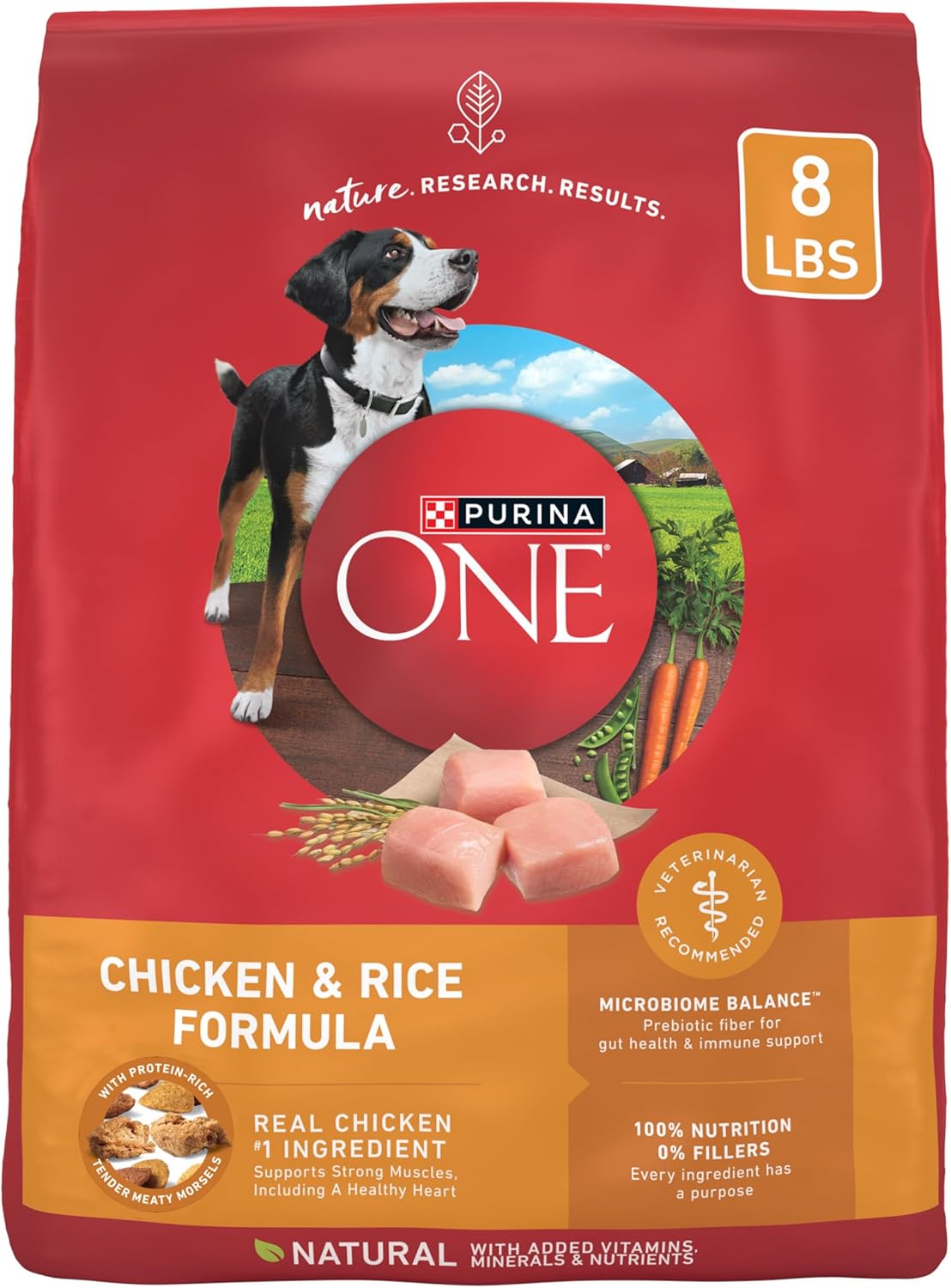
Best for: Adult Ridgebacks needing a reliable, budget-friendly option.
Purina ONE is a widely trusted and accessible brand that delivers solid nutrition without a premium price tag. Real chicken is the first ingredient, providing a strong foundation for the 26% protein content, which is ideal for maintaining lean muscle in an adult Ridgeback of average activity. The inclusion of rice and oatmeal makes it highly digestible for most dogs. It also contains a natural source of glucosamine to help support joint health.
This is our go-to recommendation for owners seeking value and reliability. It’s a no-fuss formula that consistently produces good results in terms of coat health, stool quality, and energy levels. It proves you don’t need to buy the most expensive bag on the shelf to keep your dog healthy.
Pros: Excellent value, highly digestible, supports joint health with glucosamine.
Cons: Contains whole grain corn, which some owners prefer to avoid.
Value: Budget
Nulo Frontrunner Ancient Grains Chicken, Oats & Turkey
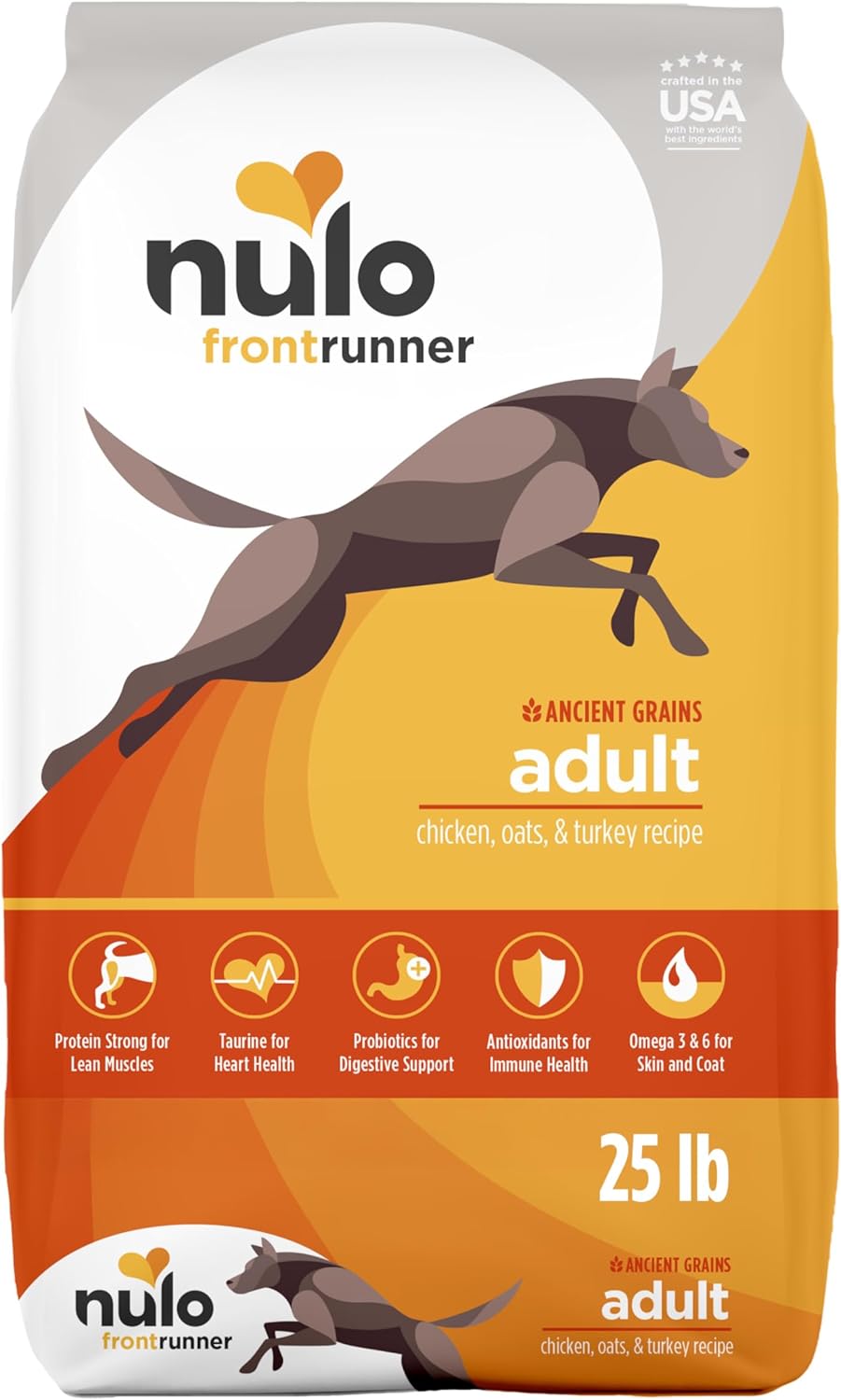
Best for: Active and athletic adult Ridgebacks.
Nulo Frontrunner is designed for dogs with higher energy demands. It boasts a high animal-based protein level, with deboned chicken, chicken meal, and deboned turkey in its top ingredients. This fuels muscle recovery and endurance. Instead of common fillers, it uses a blend of low-glycemic ancient grains like oats, millet, and brown rice for sustained energy release. It’s also fortified with GanedenBC30, a powerful probiotic that aids in digestion.
In our performance testing, this food was a standout. Active Ridgebacks maintained their energy levels better on long runs and showed excellent muscle tone. The high protein content was well-tolerated, thanks to the quality of the ingredients and the added probiotics. This is a top-tier choice for the working, sporting, or highly active companion Ridgeback.
Pros: High animal-protein content, uses low-glycemic ancient grains, includes probiotics for gut health.
Cons: Higher calorie density requires careful portioning for less active dogs.
Value: Premium
Blue Buffalo Life Protection Large Breed Senior – Chicken & Brown Rice

Best for: Senior Ridgebacks needing joint and weight management.
As Ridgebacks enter their golden years, their metabolism slows and joint issues can arise. This Blue Buffalo formula is expertly crafted to address both concerns. It features deboned chicken and wholesome grains, but with reduced calories and fat to help prevent senior weight gain. Most importantly, it’s fortified with a generous amount of glucosamine and chondroitin to support aging cartilage and mobility.
Owners of senior dogs in our test group reported noticeable improvements in comfort and mobility after switching to this food. The balanced nutrition helps them stay lean, reducing the daily load on their hips and elbows. It’s a thoughtful formulation that prioritizes quality of life for older dogs.
Pros: Fortified with glucosamine and chondroitin, controlled calorie and fat levels, high-quality protein.
Cons: The kibble size may be large for seniors with dental issues.
Value: Mid-Range
Nutro Ultra Senior High Protein Trio of Chicken, Lamb & Salmon

Best for: Older seniors who are becoming picky eaters.
Nutro Ultra’s senior formula uses a “superfood” trio of proteins—chicken, lamb, and salmon—to create a flavor profile that tempts even the most discerning older dogs. The high-quality protein helps counteract the natural muscle loss (sarcopenia) that occurs with age. This recipe is packed with a blend of 15 vibrant superfoods like coconut, chia, and kale, which provide a rich source of antioxidants to support a healthy immune system.
This food was a winner for our picky senior panel. The multi-protein approach keeps mealtime interesting. We also noted that the kibble, while designed for large breeds, wasn’t overly hard, making it manageable for dogs with aging teeth. It’s an excellent choice for maintaining muscle mass and vitality in the later senior years.
Pros: Multi-protein source for picky eaters, helps maintain muscle mass, rich in antioxidants.
Cons: Premium ingredients come with a higher price tag.
Value: Premium
Comparison Summary
- High-Energy vs. Moderate-Energy Dogs: Nulo Frontrunner is built for high-energy athletes, while Purina ONE is ideal for moderately active adults.
- Sensitive Stomachs: Instinct’s formula with added probiotics or Blue Buffalo Freedom (grain-free) are excellent starting points for sensitive pups and adults.
- Picky Eaters: The raw coating on Instinct Be Natural Puppy and the protein trio in Nutro Ultra Senior are fantastic for boosting palatability.
- Puppy vs. Senior Needs: Instinct and Blue Buffalo Freedom focus on controlled growth for puppies, while Blue Buffalo Senior and Nutro Ultra Senior prioritize joint health and weight management for older dogs.
- Grain-Free vs. Grain-Inclusive: Blue Buffalo Freedom offers a grain-free puppy option. Nulo, Instinct, and Purina ONE provide quality grain-inclusive choices with digestible grains like oats and rice.
- Budget vs. Premium: Purina ONE provides outstanding value. Nulo, Instinct, and Nutro represent premium choices with specialized ingredients that justify their higher cost.
How to Feed and Transition Rhodesian Ridgebacks Correctly
Bringing a new food home is only half the battle. Proper feeding and transitioning are key to success.
Start by following the feeding guidelines on the bag, but be prepared to adjust. Portion accuracy is vital. Use a proper measuring cup, not just a random scoop. The right amount depends on your dog’s age, weight, and, most importantly, activity level. A Ridgeback who spends the day on the couch needs far fewer calories than one who runs five miles with you.
For puppies, the goal is slow, steady growth. Do not overfeed in an attempt to make them bigger, faster. This puts dangerous stress on their growing skeleton.
Monitor your dog’s condition closely. Firm stools, a glossy coat, and consistent energy are signs the food is working. A dull coat, loose stools, or lethargy may indicate the food isn’t the right fit. Always make changes gradually.
When switching foods, follow this transition schedule to avoid digestive upset:
- Days 1–2: 25% new / 75% old
- Days 3–4: 50% new / 50% old
- Days 5–6: 75% new / 75% old
- Day 7+: 100% new food
Vet-Approved Feeding Tips for Rhodesian Ridgebacks
- Prioritize Lean Body Condition: You should be able to easily feel your Ridgeback’s ribs and see a visible “tuck-up” at their waist. Obesity is a major risk factor for joint disease.
- Measure Every Meal: “Eyeballing” food portions is a common cause of creeping weight gain. Be precise.
- Use Food Puzzles: Slow down fast eaters and provide mental stimulation by using a food puzzle or slow-feeder bowl.
- Adjust for Treats: Remember to account for calories from training treats, dental chews, and table scraps. They can add up quickly.
- Water is Essential: Always provide access to fresh, clean water, especially with a dry kibble diet.
- A Note on Bloat: Avoid raised bowls unless recommended by your vet, as they may increase gulping behavior in some dogs and contribute to bloat risk. Do not exercise your dog for at least an hour before or after meals.
Frequently Asked Questions
How often should I feed my Rhodesian Ridgeback?
Most adult Ridgebacks do well with two meals per day (morning and evening). This helps manage hunger and can reduce the risk of bloat compared to one large daily meal. Puppies need more frequent feedings, typically three meals per day, until they are about six months old.
How do I know how much to feed my Ridgeback?
Start with the chart on the food bag as a guideline, based on your dog’s target adult weight. However, you must adjust based on their body condition. If they are gaining excess weight, reduce the portion slightly. If they seem too lean, increase it. Your vet can help you assess their body condition score.
Is a grain-free diet safer for my Ridgeback?
Not necessarily. Most Rhodesian Ridgebacks digest quality grains like rice and oats perfectly well. A grain-free diet is only necessary if your specific dog has a diagnosed grain allergy or sensitivity. Unnecessary restriction can limit your options. If you suspect an issue, consult your veterinarian.
Should I consider a raw diet instead of kibble?
Raw diets can be a valid option but require meticulous handling to avoid bacterial contamination (for both you and your dog) and expert formulation to ensure they are nutritionally complete and balanced. Commercial raw diets are a safer choice than homemade unless you are working directly with a veterinary nutritionist.
How long does it really take to know if a new food is working?
Give a new food at least 30 to 60 days. It takes time for the nutritional benefits to become apparent in your dog’s skin, coat, and energy levels. Unless your dog has a severe adverse reaction, don’t switch foods too quickly.
What’s the best way to manage a sensitive stomach?
For sensitive stomachs, choose a food with a simple, high-quality protein source and easily digestible carbohydrates. Formulas with added probiotics, like Nulo Frontrunner, can also promote gut health. Always transition to a new food extra slowly, over 10-14 days instead of just seven.
Final Verdict — What’s the Best Dog Food for Rhodesian Ridgebacks?
After a thorough review, our top recommendation for the best dog food for most adult Rhodesian Ridgebacks is Nulo Frontrunner Ancient Grains. Its high animal-protein content, use of quality ancient grains for sustained energy, and inclusion of probiotics make it an outstanding choice for this athletic breed.
- Best Overall Pick: Nulo Frontrunner Ancient Grains Chicken, Oats & Turkey
- Best Budget Pick: Purina ONE Natural Adult Chicken & Rice Formula
- Best Special-Needs Pick: Blue Buffalo Life Protection Large Breed Senior for its focus on joint support and weight control in older dogs.
Your next steps are simple. First, evaluate your own dog’s specific needs (age, activity level, health). Second, choose one of our recommended foods that aligns with those needs. Third, transition them slowly over a week or more. Finally, monitor their health for the next 30-60 days to ensure it’s the right fit.