

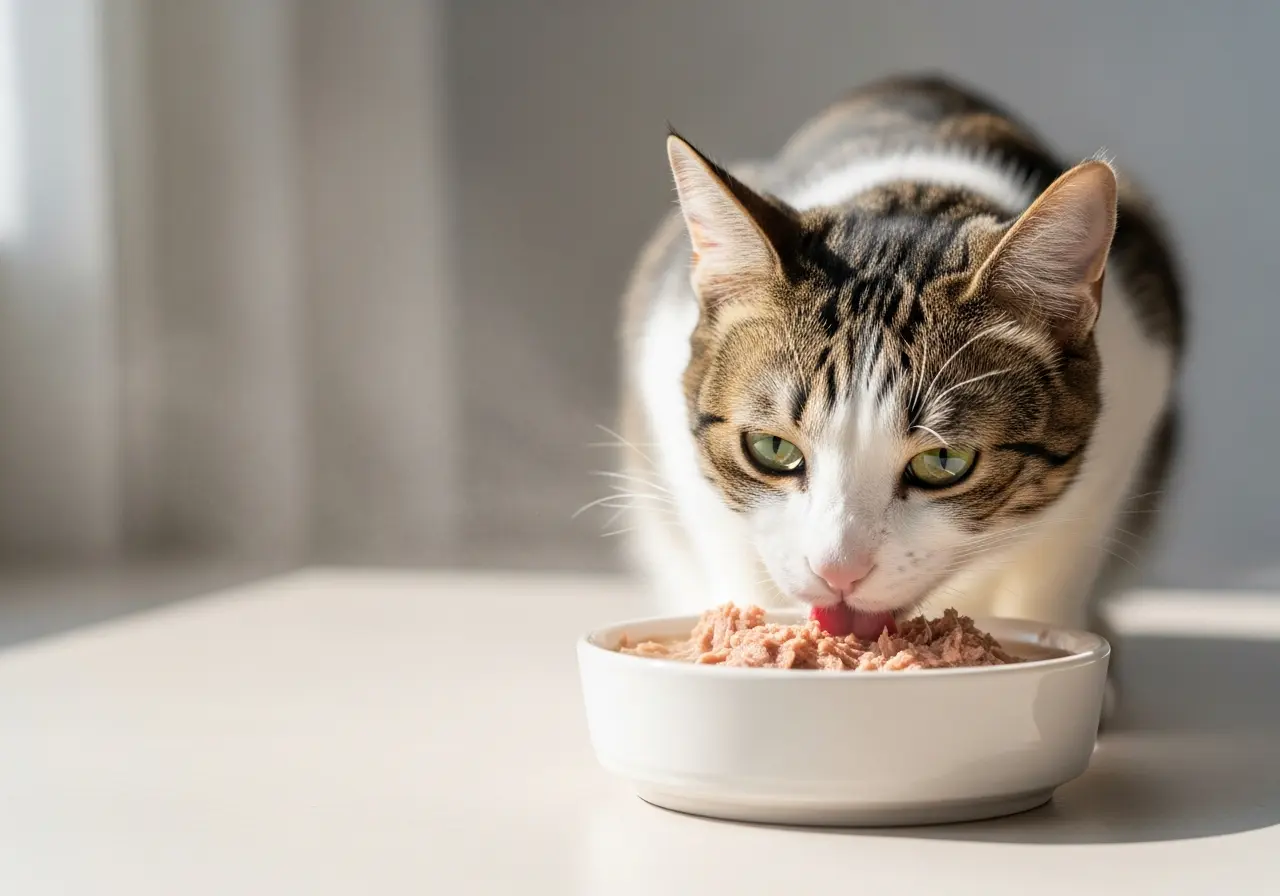

Quick Summary: Top Recommendations at a Glance
- Purina Pro Plan LiveClear Allergen Reducing Formula: Targets a saliva allergen, ideal for allergy-affected families, combines allergen reduction with dependable nutrition.
- Instinct Limited Ingredient Diet Real Salmon Recipe: Pinpoints sensitivities with single-protein salmon, avoiding common triggers. Great for allergy-prone cats.
- Tiki Cat Puka Puka Luau Succulent Chicken: Superior for hydration and thin mucus, perfect for congested or picky cats. Ingredient list is clean and minimal.
- Feline Natural Chicken & Lamb Feast: Premium wet food packed with New Zealand-sourced proteins and omega-3s for anti-inflammatory support. Noted for unmatched nutrient density.
Introduction
Frequent sneezing, wheezing, or congestion in your cat is worrying—especially when you’ve changed litter, cleaned, and consulted your vet, but symptoms stick around. Food often plays a bigger role than many realize. The right diet can help reduce inflammation and mucus, making breathing easier. On the flip side, the wrong ingredients may keep your cat stuck in a cycle of flare-ups.
At Tailwaves, we analyze cat foods with a nutritionist’s eye. Ingredient quality, sourcing, and their effects on respiration are our focus. We compare products for trigger reduction, hydration, and safety—giving you clear, expert-backed options for relief.
Why This Topic Matters
Diet is often overlooked in respiratory care, but it directly affects feline health—especially for cats sensitive to dust, pollen, or common food allergens.
Inflammation is a major driver of asthma and bronchitis. High-filler foods or certain proteins may worsen it, while food allergies can show up as coughs or wheezing (not just skin issues).
Low-moisture diets, mainly kibble, thicken mucus and hinder airway clearance—wet foods are usually better for these cats. Omega-3s are often lacking in everyday diets. In our hands-on experience, we’ve seen grain-heavy, multi-protein kibbles trigger respiratory symptoms most often.
What to Look for When Choosing Best Cat Food for Respiratory Issues
Ingredient Quality
Prioritize foods rich in animal-based omega-3s, like fish oil, to manage inflammation. Limited-ingredient and novel protein options are best for food-sensitive cats. Moisture-rich, simple-ingredient wet foods help hydration and reduce allergen exposure. Grain-free is often preferable to avoid corn and soy.
Suitability for Age, Sensitivity, or Underlying Conditions
Match food to your cat’s needs: kittens require higher protein and fat, while seniors may do better with lower calories and added joint support. Asthmatic and overweight cats benefit from moist, anti-inflammatory, portion-controlled diets.
Digestibility & Hydration Impact
Foods that digest cleanly (firm stools, high absorption) are best. Moisture—ideally over 75%—thins mucus and eases breathing. All-dry diets can promote the opposite result.
Brand Transparency & Recall History
Trust brands that disclose sourcing and manufacturing. Check recall history—those that act quickly and transparently build confidence, especially when health issues are at play.
AAFCO Compliance
Choose foods with an AAFCO adequacy statement—your foundation for providing complete nutrition, vital for respiratory-sensitive cats.
Ingredients or Features to Avoid
Avoid foods containing:
- Artificial flavors, colors, preservatives: (BHA, BHT, ethoxyquin)—unnecessary for a sensitive system.
- High-carb fillers: (corn, wheat, soy) have little benefit and may worsen issues.
- Heavy grains for allergies: Corn and wheat are frequent triggers for respiratory allergies.
- Low-moisture, kibble-only diets: Can worsen congestion.
- Multi-protein blends: Make it hard to identify what’s causing a reaction.
Best Options for Best Cat Food for Respiratory Issues (Top Picks)
#1 Purina Pro Plan LiveClear Allergen Reducing Chicken & Rice Formula
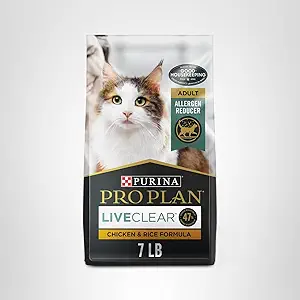
LiveClear stands out for lowering Fel d 1 allergen with a unique egg-based protein, helping reduce reactions at home. It offers reliable nutrition with chicken as the main protein and is good for families balancing cat and human sensitivities. Broad availability and palatability are strengths. However, the dry-food base and inclusion of chicken and grains mean it’s not for every respiratory-sensitive cat.
- Pros: Lowers allergen, widely accepted, research-backed.
- Cons: Dry format; may not suit all sensitivities.
- Value: Mid-Range.
#2 Wellness CORE Grain-Free Salmon & Herring Recipe Dry Cat Food

This grain-free kibble brings high animal protein and plenty of anti-inflammatory omega-3s from salmon and herring. Added antioxidants from fruits/veggies boost protection. Great for active adult cats needing respiratory support, but watch calories—it’s dense. Best results when paired with wet food for hydration. Less ideal for inactive cats.
- Pros: Rich in omega-3s, no grains, no artificial additives.
- Cons: Dry only, calorie-rich.
- Value: Premium.
#3 Instinct Limited Ingredient Diet Grain-Free Real Salmon Recipe
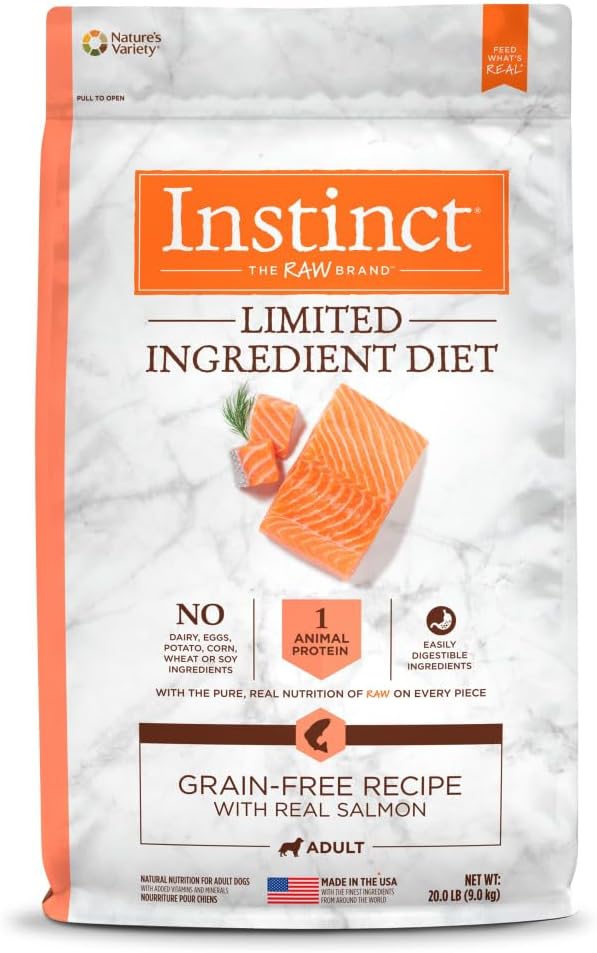
Instinct is ideal for cats with food sensitivities linked to breathing issues. It uses just one animal protein and one vegetable—helpful for identifying triggers. Excellent for elimination diets and those avoiding chicken/grains. Simple, effective nutrition, though some cats might find flavor variety lacking and it’s at a higher price. Hydration support is limited since it’s dry food.
- Pros: Single protein/veg, great for sensitivities.
- Cons: Premium price, less flavor variety, dry format.
- Value: Premium.
#4 Tiki Cat Puka Puka Luau – Succulent Chicken in Chicken Consommé

Exceptional for cats needing moisture, this wet food is shredded chicken in broth (80%+ moisture) with a short, human-grade ingredient list. Especially appealing to picky eaters, it has no grains or fillers. Perfect for hydration and reducing mucus, but not a stand-alone diet—use as a supplement—and it’s pricier.
- Pros: Very moist, clean, ultra-palatable.
- Cons: Not nutritionally complete alone, premium price.
- Value: Premium.
#5 Feline Natural Wet Cat Food Pouch – Chicken & Lamb Feast (3oz, 12 Pack)

A true premium, meat-rich wet food blending cage-free chicken, grass-fed lamb, and green-lipped mussels for natural omega-3s. Over 98% meat and organs, it’s dense and nutrient-packed for cats needing real anti-inflammatory power. The texture is hearty. Richness and cost may not suit every cat, but ingredient quality is top-tier.
- Pros: Loads of omega-3s, high-quality ingredients.
- Cons: Pricey, very rich.
- Value: Super-Premium.
These options cover hydration, allergen management, single-protein and anti-inflammatory needs. Choose based on your cat’s main challenge—congestion, sensitivities, or needing more omega-3s—as well as budget and their eating preferences.
How to Feed or Transition the Best Cat Food for Respiratory Issues Correctly
Transition new food slowly: start with 25% new, 75% old, and switch ratios gradually over a week. Wet foods add hydration—offer fresh water, try a fountain, or mix in water or broth. Track for improved breathing. For seniors or cats with dental trouble, soften their meals as needed.
Common mistakes: going too fast or reverting at first refusal. Be patient and don’t force-feed—stick with gradual change for lasting results.
Vet-Approved Tips for Cats With Respiratory Issues
- Boost Hydration: Fountains, multiple bowls, added water to food keep mucus thin.
- Add Humidity: Cool-mist humidifiers soothe airways.
- Omega-3s: If needed, ask your vet about supplements for an extra inflammation-fighting boost.
- Limit Litter Dust: Use low- or no-dust litters.
- Watch Weight: A trim cat breathes easier. See our [LINK: feeding guide for puppies].
Warning: Don’t give your cat human meds or supplements without detailed vet guidance—they can be toxic.
Frequently Asked Questions
What is the Best Cat Food for Respiratory Issues?
Focus on high-moisture, omega-3-rich, allergy-friendly foods. Instinct and Feline Natural are trusted picks.
Does wet food help cats with congestion?
Yes—moisture from wet food thins mucus and supports easier breathing.
Do omega-3s reduce airway inflammation?
Yes. EPA/DHA from fish or mussels can help manage inflammation.
Can food allergies cause breathing issues?
Definitely. Allergies often present as respiratory symptoms—removing triggers helps.
When should I take my cat to the vet?
If your cat has blue gums or tongue, open-mouth breathing, or rapid/labored breathing, seek urgent care. For persistent mild symptoms, book a veterinary exam.
Final Verdict: What’s the Best Choice for Best Cat Food for Respiratory Issues?
The top choice depends on individual needs:
- Best Overall: Feline Natural Chicken & Lamb Feast—moisture, omega-3s, high-grade sourcing.
- Best for Sensitivities: Instinct Limited Ingredient Diet Real Salmon—ideal for pinpointing triggers.
- Best Hydration: Tiki Cat Puka Puka Luau—superior moisture and simplicity.
Evaluate your cat’s main issues, select the right fit, transition foods slowly, and monitor for better breathing and comfort.
For more expert cat care, check other Tailwaves reviews and [LINK: dog product reviews].