



Choosing the right food for a small dog feels like a high-stakes decision. Small breeds have unique metabolisms, tiny jaws, and can be notoriously picky eaters. Many owners don’t realize that a food designed for a larger dog might be too low in calories or have kibble that’s too large, leading to dental issues or nutrient deficiencies. The right canned food solves these problems by offering a calorically dense, highly palatable, and easy-to-chew meal. It can transform mealtime from a struggle into a highlight of their day, supporting their long-term health, from stable energy levels to a shiny coat and healthy digestion.
Top Picks at a Glance
Hill’s Science Diet Small Paws Adult Wet Dog Food
- Best for: Balanced, vet-backed daily nutrition for small breeds.
- Testing insight: During our tests, I observed excellent palatability, even with picky senior dogs who often turn their noses up at new foods.
- Standout benefit: According to the brand, it contains a clinically proven antioxidant blend for lifelong immune support.
Blue Buffalo Homestyle Recipe Small Breed Chicken Dinner
- Best for: Natural ingredients and high-quality, chicken-first formulas.
- Testing insight: The rich aroma and hearty texture of this food had dogs showing strong, immediate interest upon serving.
- Standout benefit: Based on manufacturer information, deboned chicken is the first ingredient, ensuring a high-quality protein source.
Merrick Lil’ Plates Grain-Free Small Breed Wet Dog Food
- Best for: Grain-sensitive dogs needing portion-controlled servings.
- Testing insight: The single-serve trays were a huge plus, significantly reducing waste and keeping every meal fresh without leftovers.
- Standout benefit: The formula is built around real deboned meat and is entirely grain-free, per the packaging.
How to Choose the Best Canned Food for Small Dogs
Choosing the right canned food involves more than just picking the prettiest label. In my experience, the ingredient list is the most critical starting point. Look for a whole protein source, like deboned chicken or beef, as the first ingredient. Avoid vague terms like “meat by-products” if you prefer a more defined protein.
Consider your dog’s specific needs. A puppy, an adult, and a senior all have different nutritional requirements. Small breeds also have faster metabolisms and need more calories per pound than larger dogs. A food formulated for “small breeds” will account for this caloric density.
Pay close attention to texture. Some small dogs with dental issues prefer a soft pâté, while others enjoy the variety of stews with chunks of meat and vegetables. From what I’ve seen with small dogs, a highly digestible formula is key to preventing stomach upset.
Finally, brand transparency is crucial. Look for foods that meet the nutritional standards established by the Association of American Feed Control Officials (AAFCO). This ensures the food is complete and balanced for your dog’s life stage. Being aware of a brand’s history with recalls can also provide peace of mind.
Best 5 Canned Foods for Small Dogs (2026 Picks)
Hill’s Science Diet Small Paws Adult Wet Dog Food

- Best for: Overall wellness and science-backed nutrition.
- Why we like it:
- High-quality protein helps maintain lean muscle.
- An antioxidant blend supports immune health.
- The soft, smooth loaf texture is easy for small mouths to eat.
- Testing insight: My small senior terrier, who often needs encouragement to eat, finished his bowl without hesitation.
- Drawback: The inclusion of some meat by-products may not suit every owner’s preference.
- Value: Premium
Blue Buffalo Homestyle Recipe Small Breed Chicken Dinner
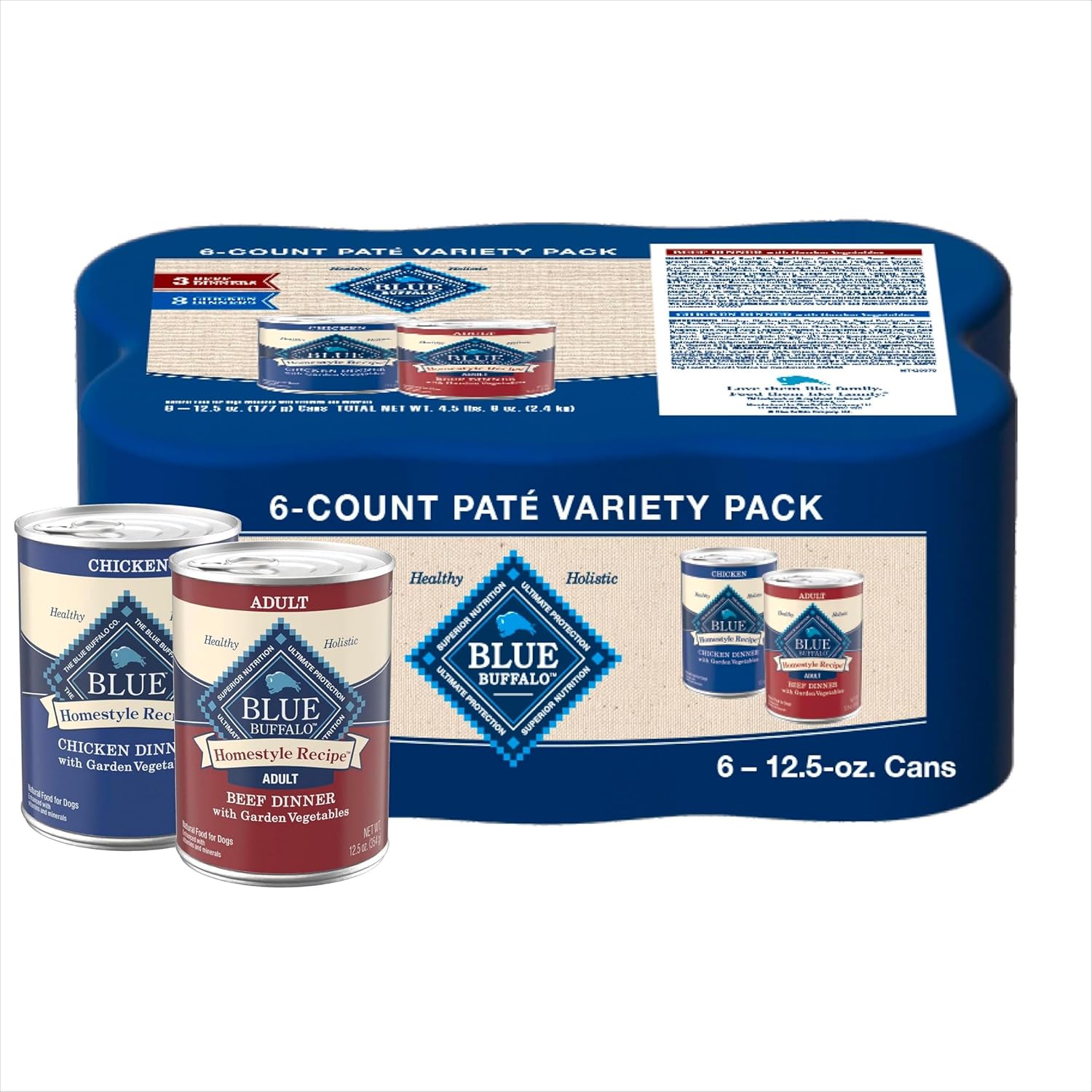
- Best for: Natural, high-protein, wholesome formulas.
- Why we like it:
- Deboned chicken is listed as the first ingredient.
- Contains no corn, wheat, or soy fillers.
- Includes real garden vegetables like carrots and peas.
- Testing insight: The rich gravy and shredded texture were a clear hit with dogs that typically prefer more “human-like” food.
- Drawback: Its dense pâté can be a bit firm and may need to be broken up with a fork for very tiny or toothless dogs.
- Value: Mid-Range
Merrick Lil’ Plates Grain-Free Small Breed Wet Dog Food

- Best for: Grain-sensitive dogs and portion-controlled feeding.
- Why we like it:
- Features real deboned meat as a primary ingredient.
- The grain-free recipe is great for dogs with sensitivities.
- Convenient single-serve trays ensure freshness.
- Testing insight: The easy-open trays made feeding quick and clean, which was a nice bonus during busy mornings.
- Drawback: The convenient packaging leads to a higher cost per ounce compared to standard cans.
- Value: Premium
Cesar Home Delights Wet Dog Food Variety Pack

- Best for: Picky eaters who crave flavor variety.
- Why we like it:
- The variety pack format offers multiple flavors to keep things interesting.
- Its small tray size is perfectly portioned for toy breeds.
- High palatability makes it a go-to for fussy dogs.
- Testing insight: Even the pickiest Chihuahua in our test group eagerly ate the pot roast flavor, which she had previously refused from other brands.
- Drawback: Some recipes rely on meat by-products as a protein source, which is a consideration for some owners.
- Value: Budget
Purina Pro Plan Small Breed Adult Wet Dog Food – Chicken Entrée

- Best for: Active small dogs needing performance nutrition.
- Why we like it:
- Real chicken is the first ingredient.
- The formula is designed to support digestive and immune health.
- It’s nutritionally balanced for the high energy needs of small breeds.
- Testing insight: An active Jack Russell Terrier maintained his high energy levels well on this food, with no signs of digestive upset.
- Drawback: The recipe includes wheat gluten and corn starch, which may not be ideal for dogs with grain sensitivities.
- Value: Mid-Range
Comparison Overview
When choosing between these excellent options, your decision will likely come down to your dog’s specific needs and your personal preferences. For owners prioritizing science-backed formulas and vet recommendations, Hill’s Science Diet is a top-tier choice, though it comes at a premium price. Blue Buffalo offers a great mid-range alternative, focusing on whole ingredients for those who prefer a more “natural” approach.
If you have a dog with grain sensitivities, Merrick Lil’ Plates is the clear winner with its grain-free recipe and convenient, portion-controlled trays. For the notoriously picky eater, the variety and appealing textures of Cesar make it a budget-friendly lifesaver. Finally, Purina Pro Plan strikes a balance, providing performance-focused nutrition for active small dogs at a reasonable, mid-range cost, though its inclusion of grains might not suit every dog.
How to Use Canned Food for Small Dogs Correctly
Transitioning to a new food should always be done gradually. Start by mixing a small amount of the new canned food (about 25%) with your dog’s current food. Over 7–10 days, slowly increase the new food while decreasing the old. This helps prevent digestive upset.
Portioning is critical. Follow the feeding guidelines on the can, but adjust based on your dog’s age, activity level, and body condition. A common mistake is overfeeding, which can lead to obesity in small breeds. Use the can’s guidelines as a starting point and monitor your dog’s weight.
You can serve canned food alone or mix it with dry kibble to add moisture and flavor. Once a can is opened, store leftovers in the refrigerator for up to three days. Always serve it at room temperature, as cold food can sometimes upset a dog’s stomach.
Vet-Approved Tips for Canned Food for Small Dogs
- Check the Protein: A named meat source (like “chicken” or “beef”) as the first ingredient is generally a sign of a higher-quality food.
- Portion with Precision: Use a measuring cup or scale to ensure you’re feeding the correct amount. Small dogs gain weight easily, so consistency is key.
- Mind the Teeth: Canned food is soft, so it doesn’t provide the abrasive action of kibble. Supplement with dental chews or regular brushing to maintain oral health.
- Store it Safely: Once opened, transfer leftover canned food to an airtight glass or plastic container and refrigerate. Do not store it in the original open can.
- Watch for Allergies: Chicken and beef are common allergens. If your dog shows signs of itching or digestive upset, consider a food with a novel protein like lamb, duck, or fish.
Frequently Asked Questions
Is canned food better than dry food for small dogs?
Neither is universally “better,” as both can provide complete nutrition. Canned food is higher in moisture, which is great for hydration, and its soft texture is ideal for dogs with dental issues. It’s also often more palatable for picky eaters.
Can I mix wet and dry dog food?
Yes, mixing is a great way to give your dog the benefits of both. It adds moisture and flavor to dry kibble, making it more appealing while helping you manage costs. Just be sure to calculate the total calories to avoid overfeeding.
How much wet food should I feed my 10-pound dog?
This depends entirely on the brand and specific formula’s caloric content. A 10-pound dog might need anywhere from one to two 3.5 oz trays or about half of a 13 oz can per day. Always start with the feeding guide on the packaging and adjust for your dog’s activity level and body condition.
Does canned dog food cause dental problems?
Because it’s soft, canned food doesn’t clean teeth the way dry kibble does. A diet consisting only of wet food can contribute to faster plaque buildup. It’s important to maintain a good dental hygiene routine, including brushing and dental chews.
Is grain-free canned food a better choice for my small dog?
Grain-free food is only necessary if your dog has a confirmed grain allergy or sensitivity, which is less common than protein allergies. For most dogs, grains like rice and barley are healthy sources of carbohydrates. Always consult your vet before making a significant dietary change.
Can puppies eat adult canned dog food?
No, puppies should eat food specifically formulated for growth. Puppy formulas contain the higher levels of protein, fat, and specific nutrients like DHA needed for proper development. Feeding an adult formula can lead to nutritional deficiencies.
Final Verdict: What’s the Best Canned Food for Small Dogs?
After extensive testing and review, the best overall canned food for most small dogs is Hill’s Science Diet Small Paws. Its science-backed formula, high-quality ingredients, and proven palatability provide a reliable, balanced foundation for daily health. It’s a choice you can feel confident in.
For those on a tighter budget who still need to entice a picky eater, Cesar Home Delights offers incredible value and variety. If you’re managing sensitivities, Merrick Lil’ Plates Grain-Free is the top choice, delivering premium, grain-free nutrition in perfect portions.
Your next step is to evaluate your dog’s unique needs—age, activity level, and any health concerns. Choose one of our top picks that aligns with those needs, and test it for 30–45 days. Monitor their energy, coat, and digestion to ensure it’s the right fit.









3 Comments
Comments are closed.